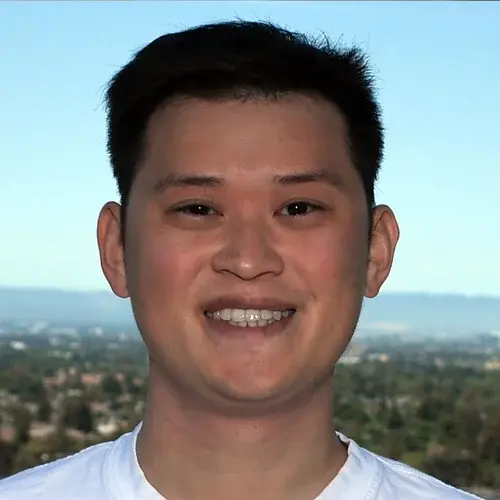
I tutor because it is rewarding to help students reach the moment when a concept finally makes sense. Seeing their confidence grow as understanding replaces frustration motivates me and reinforces why I enjoy teaching and supporting student learning.
I taught the Skill Accelerators course for Algebra 1 and Geometry over the summer. I focused on helping them build strong habits, learning how to take effective notes, breaking problems into clear steps, and practicing with examples that actually made sense to them.
I designed all of the quizzes and tests myself and made a point to write word problems around the students’ interests, especially video games. For this student, connecting algebra and geometry concepts to things they enjoyed made a noticeable difference. Concepts that once felt abstract started to click because they could see how the math applied beyond a textbook. Over time, their confidence grew, and they began participating more and performing better on assessments.
Being closer in age also helped me build a strong rapport with the students, creating an environment where they were excited to come to class and engage with the material. By the following school year, all of the students who took the summer course were earning A’s in their math classes, which reinforced for me how effective this personalized, interest-based approach can be.
Academic advising, patience, and inter activeness
When lessons connect to students’ interests and real-life experiences, students are more motivated and invested in their learning. Clear structure, consistent expectations, and practical study skills such as effective note-taking and problem-solving strategies help students feel organized and capable. Overall, a positive learning environment balances encouragement and accountability, helping students grow in confidence and academic skill.
Being a mentor means supporting students beyond academics by building confidence, trust, and a genuine connection. It involves guiding them through challeneges, modeling effective learning habits, and helping them believe in their own abilities so they feel supported, motivated, and capable of long-term success.