Author: Carla Bayot

  • The 6 Best Summer STEM Programs Near San Jose

    The 6 Best Summer STEM Programs Near San Jose

    If you’re a Bay Area parent searching for summer STEM programs near San Jose for middle school or high school students, you’ve probably noticed that a lot of “STEM camps” are really built for younger kids. This guide intentionally focuses on programs that are a better fit for tweens, teens, and academically motivated students in the South Bay, plus one younger-sibling option that is especially reputable and close to Milpitas.

     Summer is not just about “keeping kids busy.” For many families, summer is the best time to help students build confidence, strengthen academic habits, and explore subjects like coding, robotics, engineering, and math without the pressure of the regular school year. That’s why this list leans toward seven programs that offer real skill-building, not just general camp activities.

    1.  iD Tech at Santa Clara University

      For students who are excited about coding, robotics, AI, game development, or engineering, iD Tech is one of the most recognizable STEM camp options near San Jose. The Santa Clara University location serves students ages 7–17, making it one of the strongest fits on this list for both middle school and high school students. The official camp page lists summer 2026 sessions running June 22 through July 31.

      The daily structure is parent-friendly, with 8:30–9:00 a.m. check-in, a 9:00 a.m. start, and pick-up later in the afternoon. The big draw here is breadth: students can explore tech topics in a university setting and work at a level that matches their current experience, whether they are just getting started or already pretty advanced. Enrollment is open on a rolling basis until sessions fill.

      Why parents like it: It feels substantial, polished, and future-facing

      Best for:
      2nd-12th graders
      Ages: 7–17

      Format: In-person
      Location: 500 El Camino Real, Santa Clara, CA 95053 (Santa Clara University)

      Dates:
      June 22–July 31, 2026
      Time: 8:30 a.m.-5:00 p.m. (varies between these hours)

      Signup deadline:
      No fixed deadline posted; register while space remains
      Enroll: iD Tech at Santa Clara University

    2. STEM4Kids San Jose/Cambrian Park

      If your student is interested in Python, Java, robotics, or engineering, STEM4Kids is one of the better local options because families can choose from more specific pathways rather than a single broad STEM theme. The San Jose/Cambrian Park page lists programs such as Java Programming Camps for ages 11–14, Python Programming Camps for ages 9–17, and several robotics options geared toward older kids and early teens.

      For many middle school families, that specificity is a plus. Students who already know they like coding or robotics often do better in a camp that lets them go deeper into one area. Many of the full-day programs list hours from 9:00 a.m. to 3:30 p.m. Enrollment is available while spots remain, so families should register early.

      Why parents like it: More topic-specific than a general STEM camp

      Best for:
      4th-12th graders
      Ages: 9–14, with some up to 17

      Format: In-person
      Location: 15040 Union Ave, San Jose, CA 95124 (Good Samaritan Episcopal Church)

      Dates: June 8–August 31, 2026
      Time: 9:00 a.m.–3:30 p.m. (varies between these hours)

      Signup deadline:
      No fixed deadline posted; register while space remains
      Enroll: STEM4Kids San Jose/Cambrian Park

    3. Paly Robotics Summer Camp

      If your student likes robotics but would do best in a program that feels a little more project-based and team-oriented, Paly Robotics is a strong Bay Area choice. Their 2026 summer camp is for incoming 6th–9th graders, runs at Palo Alto High School, and offers two sessions: June 15–19 and June 22–26, from 9:00 a.m. to 3:00 p.m. The official page says registration is currently open.

      What makes this one different is that it is not just about building robots in a narrow sense. The program also highlights creativity, design, and communication alongside technical skills. That can make it a nice fit for students who are STEM-curious but not necessarily “hardcore coders” yet. Since no final cutoff date is posted, this also appears to be a register-while-open program.

      Why parents like it: Good middle-school entry point into robotics and engineering culture

      Best for:
      6th–9th graders (incoming)
      Ages: 11-15

      Format: In-person
      Location: 50 Embarcadero Rd, Palo Alto, CA 94301 (Palo Alto High School)

      Dates:
      June 15–19 and June 22–26, 2026
      Time: 9:00 a.m.–3:00 p.m.

      Signup deadline:
      No fixed deadline posted; registration currently open
      Enroll: Paly Robotics Summer Camp

    4. Robolabs Summer Camps

      Robolabs is a practical option for families looking for hands-on robotics in San Jose with more schedule flexibility. The program offers in-person camps in San Jose, Fremont, and Dublin, and the summer camp FAQ lists morning sessions from 9:00 a.m. to 12:00 p.m., afternoon sessions from 12:30 p.m. to 3:30 p.m., and full-day sessions from 9:00 a.m. to 3:30 p.m.

      This program is a perfect fit for students who want a camp built around building, testing, and iterating rather than a more academic or classroom-style format. The website lists ages from 1st to 12th grade, so there should be something for everyone.

      Why parents like it: Flexible format and strong robotics emphasis

      Best for:
      1st-12th graders
      Ages: 6-18

      Format:
      In-person
      Location:
      4140 Stevens Creek Blvd., San Jose, CA 95129 and 2720 Aborn Road, San Jose, CA 95121 (San Jose);  37120 Fremont Blvd., Ste. Q, Fremont, CA 94536 (Fremont); 6500 Dublin Blvd., Ste D, Dublin, CA 94568 (Dublin)

      Dates: June 8-August 7, 2026
      Time: 9:00 a.m.–3:30 p.m. (varies between location and hours)

      Signup deadline:
      No fixed deadline posted; registration currently open
      Enroll: Robolabs Summer Camps

    5. Swoon Learning Skills Accelerator

      For families who want summer learning to actually strengthen school readiness, Swoon Learning’s Skills Accelerator is one of the most targeted options on this list. It is designed for 4th–9th graders and focuses on the skills that sit underneath long-term academic success: 4th and 5th grade math levels, pre-algebra, algebra 1, geometry, algebra 2/trigonometry, essay writing, organization, and confidence-building. The summer program runs from June 8th to July 16th, with makeup sessions in August. The program runs for six weeks, Monday – Thursday, 1.5 hours each day, and is held on-site at Merryhill School in Milpitas.

      This is not a traditional camp, and that is exactly why many families may prefer it. If your child needs more than entertainment this summer—if they need a reset in math, writing, study habits, or executive functioning—this is the kind of program that can make fall feel dramatically more manageable. The store page is live now; sign up as soon as possible before spaces fill.

      Why parents like it: Academic confidence, structure, and real skill-building in math, writing, and executive functioning

      Best for:
      4th–9th graders
      Ages: 9-14

      Format:
      In-person
      Location: 1500 Yosemite Drive, Milpitas, CA 95035 (Merryhill School, Milpitas)

      Dates:
      June 8 – July 16, 2026
      Time: 8:30 a.m.-2:00 p.m. (varies per class)

      Signup deadline:
      No fixed deadline posted; register while space remains
      Enroll: Swoon Learning Summer Skills Accelerator

    6. The Tech Interactive Summer Camp

      For families with a younger sibling, this program is the one non-middle/high-school option. The Tech Interactive is one of the most reputable STEM brands in San Jose, and its first 2026 summer camp is for students entering grades 3–6. The program runs June 15 through August 7, 2026, from 9:00 a.m. to 4:00 p.m., with optional extended care from 4:00 p.m. to 6:00 p.m. Registration is already open.

      This is a strong sibling-friendly recommendation because it is close to Milpitas, easy to understand, and especially reputable for Bay Area families who want a San Jose STEM experience. It is not the right fit for older students, but it is a smart inclusion for parents who have children in multiple age groups.

      Why parents like it: Highly reputable and very close to Milpitas/San Jose

      Best for:
      2nd-6th graders
      Ages: 7-12

      Format: In-person
      Location: 201 South Market Street, San Jose, CA 95113 (The Tech Interactive)

      Dates:
      June 15–August 7, 2026
      Time: 9:00 a.m.–4:00 p.m. (extended care times available)

      Signup deadline:
      Registration open; no posted final deadline found
      Enroll: The Tech Interactive Summer Camp

    Which program is right for you?

    The right summer program depends on your child’s age, interests, and needs. For middle school students, the strongest matches are STEM4Kids, Paly Robotics, Zero Robotics, and Swoon’s Summer Skills Accelerator, since they align well with ages 11–14 or grades 6–9.

    For high school students, iD Tech is a strong fit for teens interested in coding, game design, AI, or engineering. Robolabs may also appeal to students who want hands-on robotics.

    For younger siblings, The Tech Interactive is a great add-on option, and Swoon’s Skills Accelerators now include new classes for 4th and 5th graders.

    Ultimately, the best program is one that matches what your child needs next. Some students are ready to explore coding or robotics. Others need to strengthen math, writing, organization, and study skills before the fall.

    If your middle schooler could use a summer boost in confidence and core skills, Swoon’s Summer Skills Accelerator is built for that: small-group, structured, and designed to help students start the next school year stronger.
    Sign up for Summer Skills Accelerator here.

  • AI Is Here. Is Your Student Still Thinking?

    AI Is Here. Is Your Student Still Thinking?

     That question matters because student AI use is no longer a fringe issue. It is already mainstream. Common Sense Media found that 70% of teens have used generative AI, and 53% say they have used it for homework help. Just as important, 46% of teens say they have used AI without a teacher’s permission, while only 37% of parents said they knew their teen had used generative AI at all. These are staggering numbers.

    That gap is the heart of the problem.

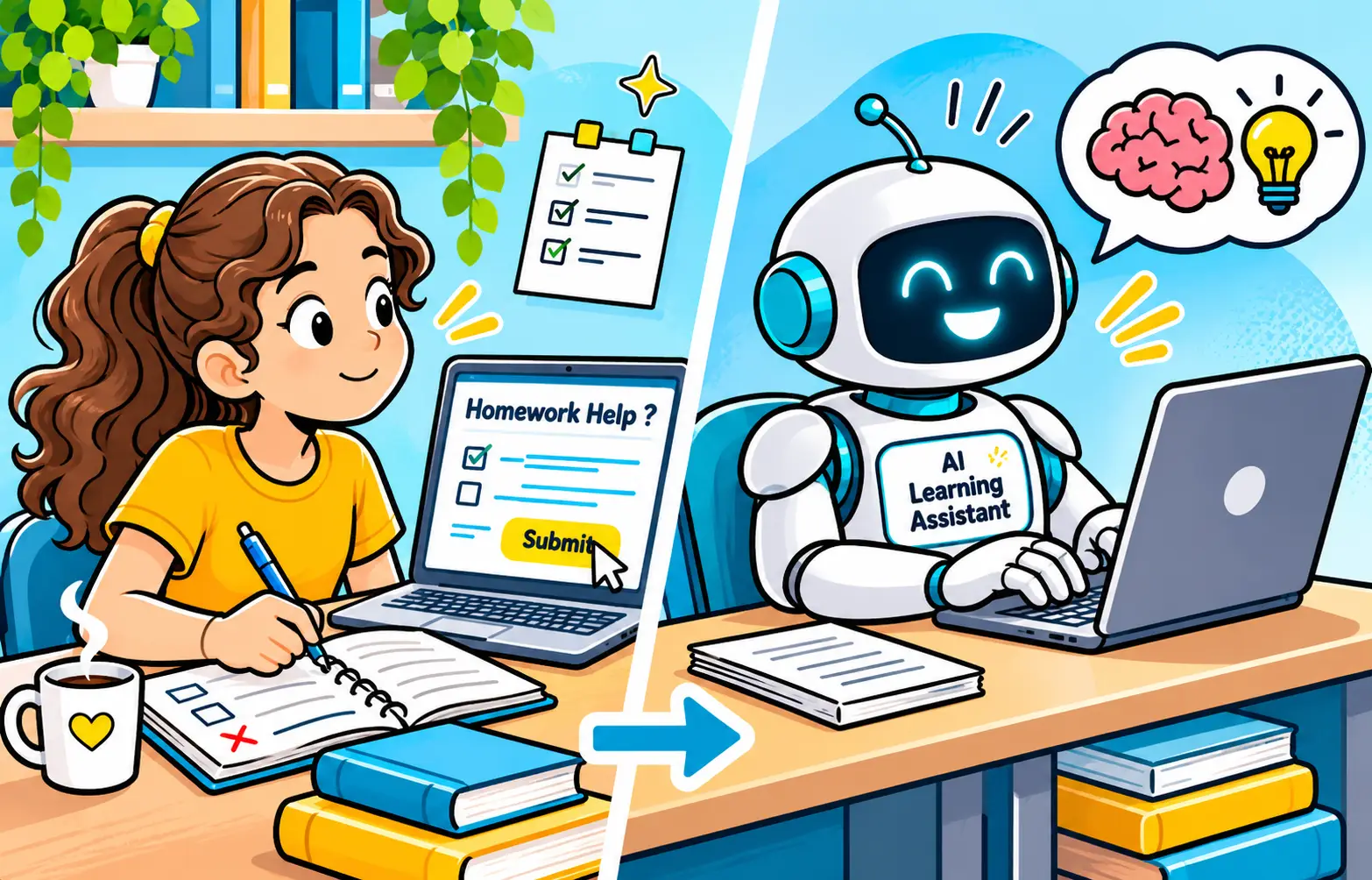
    Many families still treat AI as a future issue. It is not. It is already shaping how students write, study, solve problems, and sometimes avoid them. The real question is not whether students will use AI, but whether they are using it in a way that strengthens thinking or slowly replaces it. APA notes that teens are fast adopters of generative AI, “mostly for help with homework,” and researchers are increasingly focused on how these tools can be used safely and effectively in learning.

    AI is Not the Problem, Cognitive Outsourcing is

    For students, learning has never been just about getting to the answer.

    Real learning happens when a student has to interpret the question, decide on a strategy that makes sense, push through confusion, revise weak thinking, and explain their reasoning. That struggle is not a flaw in the process. It is the process.

    This phase is where AI becomes tricky. When a student uses AI to clarify a confusing instruction or generate extra practice problems, the tool may support learning. But when the tool does the interpreting, structuring, solving, and writing for them, the student may complete the assignment without building the mental habits it was meant to develop.

    That distinction matters because a polished result is not the same as real understanding. UNESCO’s guidance on generative AI in education stresses that schools and families should keep a human-centered approach that develops human capacity and judgment rather than diminishing it. UNESCO also warns that many education systems remain underprepared to manage the risks around privacy, accuracy, and appropriate use.

    In other words, AI can be useful, but it cannot be allowed to become a substitute for thinking.

    Parents are Behind the Conversation, and Schools Often are Too

    One reason this issue feels so confusing is that the adults around students are still catching up.

    According to Common Sense Media, 83% of parents say their child’s school has failed to communicate with them about generative AI, and 40% of teens say their school either lacks AI rules or they are unaware of what those rules are.

    RAND found something similar at the system level: AI use by students and teachers has grown quickly, but guidance, training, and policies are lagging. RAND reported that district leaders estimated in spring 2025 that about 46% of students were using generative AI to help with schoolwork, while the estimate for high school students was 61%. RAND also concluded that AI use among students and teachers rose by roughly 15 percentage points or more over the last one to two years.

    That combination—widespread use and weak guidance—leaves families in a tough position. Students are experimenting in real time, while parents and schools are still trying to define the rules.

    Not all AI use is the Same

    This area is where the conversation needs more nuance.

    There is a big difference between a student using AI to support learning and a student using AI to bypass it.

    Helpful uses might include:

    • Asking for a simpler explanation of a difficult concept
    • Turning notes into a practice quiz
    • Generating possible essay angles before drafting
    • Checking completed work for gaps or weak reasoning
    • Creating a study guide from material the student has already learned

    APA notes that students commonly use AI to clarify difficult concepts and summarize information, and that the educational value depends heavily on how the tool is being used.

    Unhelpful uses look different:

    • Pasting in a prompt and submitting the answer with little review
    • Using AI before attempting the problem independently
    • Relying on generated writing that the student cannot explain out loud
    • Replacing reading, note-taking, or problem-solving with shortcut summaries
    • Outsourcing the hardest part of the assignment every single time

    Pew Research found that teens themselves make distinctions here. In a January 2025 report, 26% of U.S. teens said they had used ChatGPT for schoolwork, up from 13% in 2023. But approval varied by use case: 54% of teens said using it to research new topics was acceptable, while only 29% approved of using it to solve math problems, and just 18% approved of using it to write essays.

    That is a useful signal. Even many teens instinctively understand that AI feels more appropriate as a support tool than as a replacement thinker.

    The Hidden Cost of Overusing AI

    The danger is not just plagiarism. Often, the bigger problem is dependency.

    A student who leans too heavily on AI can start to lose practice in exactly the skills they will still need in high school, college, and work: critical thinking, frustration tolerance, written communication, self-advocacy, and independent problem-solving.

    That loss may not show up right away. In fact, decent grades and clean-looking assignments can temporarily mask it. However, the cracks eventually become visible. The student cannot explain what they turned in. They freeze when asked to do a similar task on their own. Their writing sounds strong on paper, but does not match their spoken understanding. They finish faster but retain less.

    This is why “Did they turn it in?” is no longer enough. Parents also have to ask: Can they explain it? Can they defend it? Could they do something similar without the tool?

    UNESCO’s guidance and emerging international AI-literacy work from the OECD both point in the same direction: students need more than access to AI tools. They need judgment, critical reflection, and the ability to use AI responsibly without surrendering their agency.

    What Parents Should Watch For

    If AI is helping, your student should become more confident, more articulate, and more capable over time.

    If AI is becoming a crutch, you will often notice the opposite.

    Watch for signs like:

    • Work that sounds far more polished than your child’s normal voice
    • Assignments that they cannot explain without rereading the AI-generated text
    • Sudden speed without deeper understanding
    • Heavy dependence on AI before the first attempt
    • Panic when they have to write or solve something independently
    • Weaker resilience when work gets messy or ambiguous

    These signs do not automatically mean dishonesty.

    Often, they point to something more common: the student is overwhelmed, uncertain, or underprepared, and AI is becoming a coping mechanism.

    That is why bans alone usually miss the point. If a student lacks the skills to break down an essay, study for a biology test, or start a multi-step math problem, removing AI won’t automatically provide those skills.

    A Better Standard: AI After Effort, not Instead of Effort

    Parents do not need to become technology police. But they do need a standard.

    A good rule is this: AI can support the work after your student has started thinking, not before they have tried.

    This approach is much closer to what experts now recommend. APA’s guidance on AI literacy for teens emphasizes helping young people understand both the opportunities and the limitations of AI systems so they can use them thoughtfully and responsibly.

    The Skills That Still Matter Most

    AI may change how students work, but it does not replace the skills that make students successful. Critical thinking, communication, and organization remain essential skills.

    Those are exactly the skills that many students already struggle with—and precisely the skills that can weaken further when a tool keeps rescuing them from productive effort.

    This is why the AI conversation is really an independent conversation.

    The future will not belong to the students who obtain the fastest answer. It will belong to the students who know how to use powerful tools without handing over their judgment.

    Final thought.

    AI is here. Parents do not need to panic. But they do need to pay attention.

    Because the greatest risk is not that students will use AI. It is that they will stop practicing the mindset that school was supposed to build in the first place.

    And once that habit sets in, the problem is bigger than homework. It affects confidence, resilience, and long-term readiness for college-level and real-world work.

    At Swoon Learning, we help students build the skills underneath the assignment: critical thinking, executive functions, problem solving, and academic independence. If your child is getting through the work but not truly growing from it, that gap matters.

    Book a free discovery call to find out where the real breakdown is— and how to strengthen the thinking skills AI should never replace.

  • The Brightest Students Don’t Always Feel Like They Belong: Confidence Is Built, Not Born

    The Brightest Students Don’t Always Feel Like They Belong: Confidence Is Built, Not Born

    Am I Good Enough to be Here?

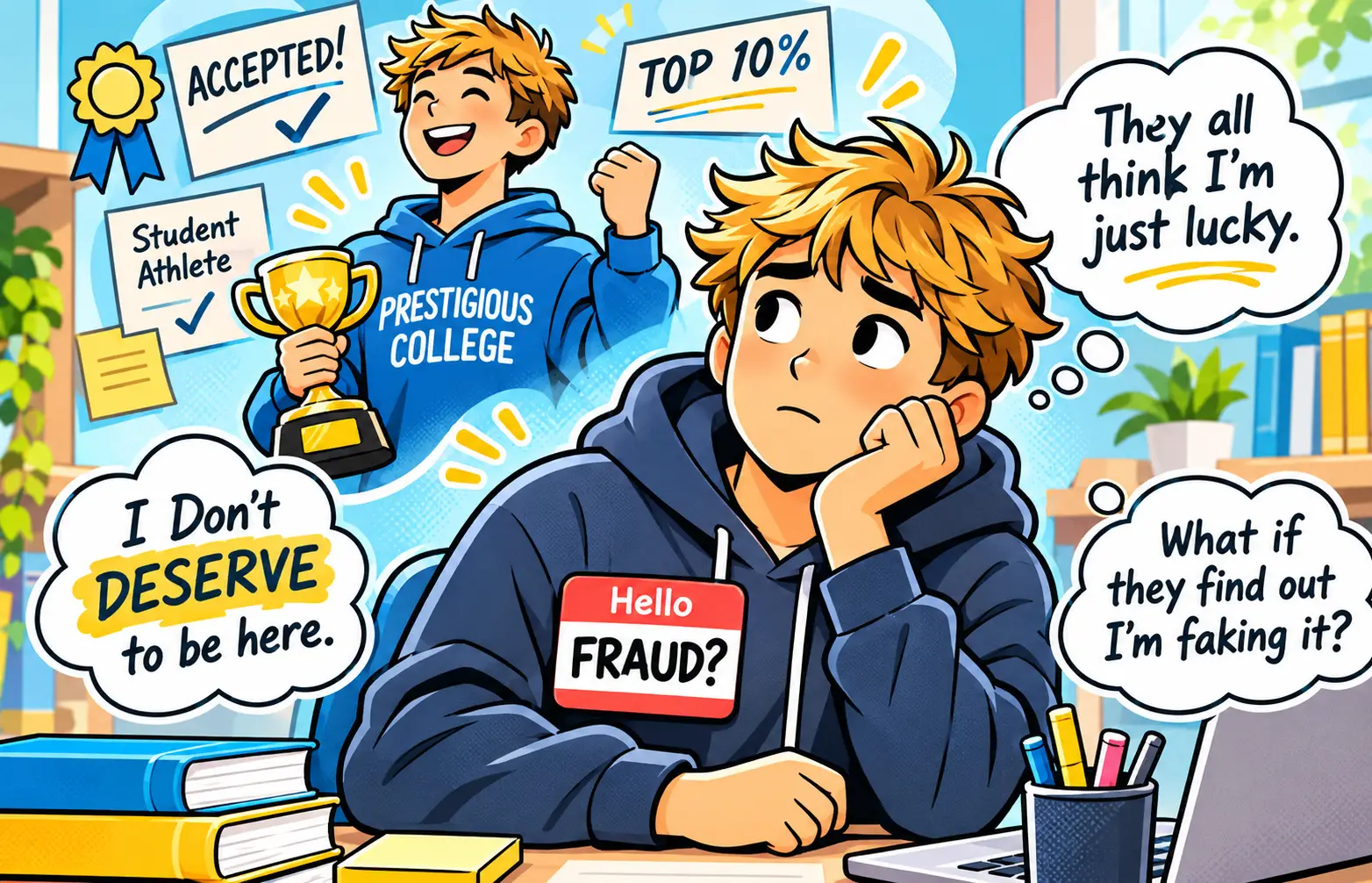
    Every day at school, our youth are comparing themselves to the people around them. “Do their clothes look better than mine? Did they get an internship at a prestigious company? Was their grade on the test better than mine?” Students look around at their peers and don’t see where their skillsets excel, but rather how they fall short.

    Educators and parents always hear about students who are valedictorians, personable, passionate about their fields of interest, and seemingly set up for a successful career. But the surprising truth is that some of the most capable students are the ones constantly questioning whether they deserve their success. When I was in high school, my peers and their families would describe me as an ideal student: 4.0+ GPA, top ten in my class, student-athlete, club president, and UCLA-bound. What they didn’t see were countless restless nights, paralysed by my anxiety and fear of feeling like I am not “enough” and never will be. The truth is, as a bright student, I often felt like I did not belong amongst my peers. I convinced myself I lacked what it took to be an ideal first choice for colleges, employers, and even friendships. The only thing that was missing, however, was the tools to build confidence and trust in myself.

    These are symptoms of impostor syndrome, experienced across all age groups, including students, and are more prevalent among women than men. Impostor syndrome isn’t about a lack of ability, but a fragile sense of belonging. It’s contingent on building confidence in oneself, not being born with it. When high-achieving and struggling students alike only see the successful outcomes of their peers, they assume they are the only ones feeling this way. However, the behind-the-scenes of these “model” students tells a very different story: believing they are “just lucky”, feeling like everyone else understands something they don’t, and avoiding opportunities despite being qualified. Without a foundational level of confidence, sheer ability cannot be the sole determinant of success.

    We See it All the Time at Swoon Learning

    One of my students at Swoon Learning is a freshman at a very prestigious university, surrounded by highly excelling peers and an academic environment that encourages students to boast about outcomes rather than process.

    Despite being competitively admitted, she was ready to drop out after one academically difficult semester. After working tirelessly in high school to get into her dream college, struggling in her first pre-medical Calculus class convinced her that she did not belong there. She was facing immense self-doubt, a loss of confidence, and fear about what the rest of her college experience would hold. Through our sessions, I connected with her and brought her doubts out of isolation into a safe space with a trusted mentor.

    We worked together to normalise what she was feeling, reveal the behind-the-scenes realities of growth, and reinforce that she is capable and truly belongs. My student didn’t get into her college out of pure luck or by mistake. She deserves to be at that university and undoubtedly belongs there with her peers. In a short period of time, I saw her blossom. She began entering sessions more confidently, ready to work through problems and eager to demonstrate her mastery, all with a bright smile and a positive attitude.

    In just three weeks, she went from scoring a D on her exams to earning a B.

    Where Did the Success Come From?

    My student did not suddenly become capable or a Calculus-expert in a short time. She always had it within her, and our team knew it from the start. A nurturing environment simply allowed that capability to feel real and build her confidence. Healthy confidence is not perfection, the absence of doubt, or minimal fear about academics. Instead, confidence is understanding that it is okay to make mistakes. It is okay to struggle. It is okay to doubt yourself at times. The true definition of confidence is being comfortable in your growth and imperfections, understanding that you have it within you when you apply yourself and trust the process. When students face their self-doubt head-on and embrace where they are, they walk away not only with confidence but also the tools to rebuild it again throughout life’s ups and downs.

    What Can We Do Outside the Classroom?

    As an educator and professional who continues to struggle with my own self-doubt, I believe we hold a responsibility to nurture healthy mechanisms in our students that help them overcome the feeling of “not belonging.” We cannot simply stop at telling students to “believe in yourself.” We must be transparent about how we have struggled, how the process can be confusing, and how achievement and outcomes are not the true measurement of success — growth is.

    Swoon Learning focuses on helping students feel like they belong and celebrating their growth, no matter how minimal. We remind them that their confidence and value are not solely based on their achievements. The brightest students don’t always feel like they belong, but when we make the unseen visible and the support intentional, confidence stops being accidental and starts being built. Academic coaches provide the intentional support needed to turn self-doubt into built confidence, directly addressing the core of impostor syndrome. By creating a safe space and celebrating growth over mere achievement, academic coaches ensure students recognise their inherent capability and truly feel they belong.

    When the support is intentional, a student’s confidence stops being accidental and starts being built. If parents and/or guardians want to learn how Swoon Learning’s academic coaching can help their child, book a FREE 30-min discovery call with Ms. Carla today!

  • How To Hack Your Homework: Kanban Boards For Smarter Learning

    How To Hack Your Homework: Kanban Boards For Smarter Learning

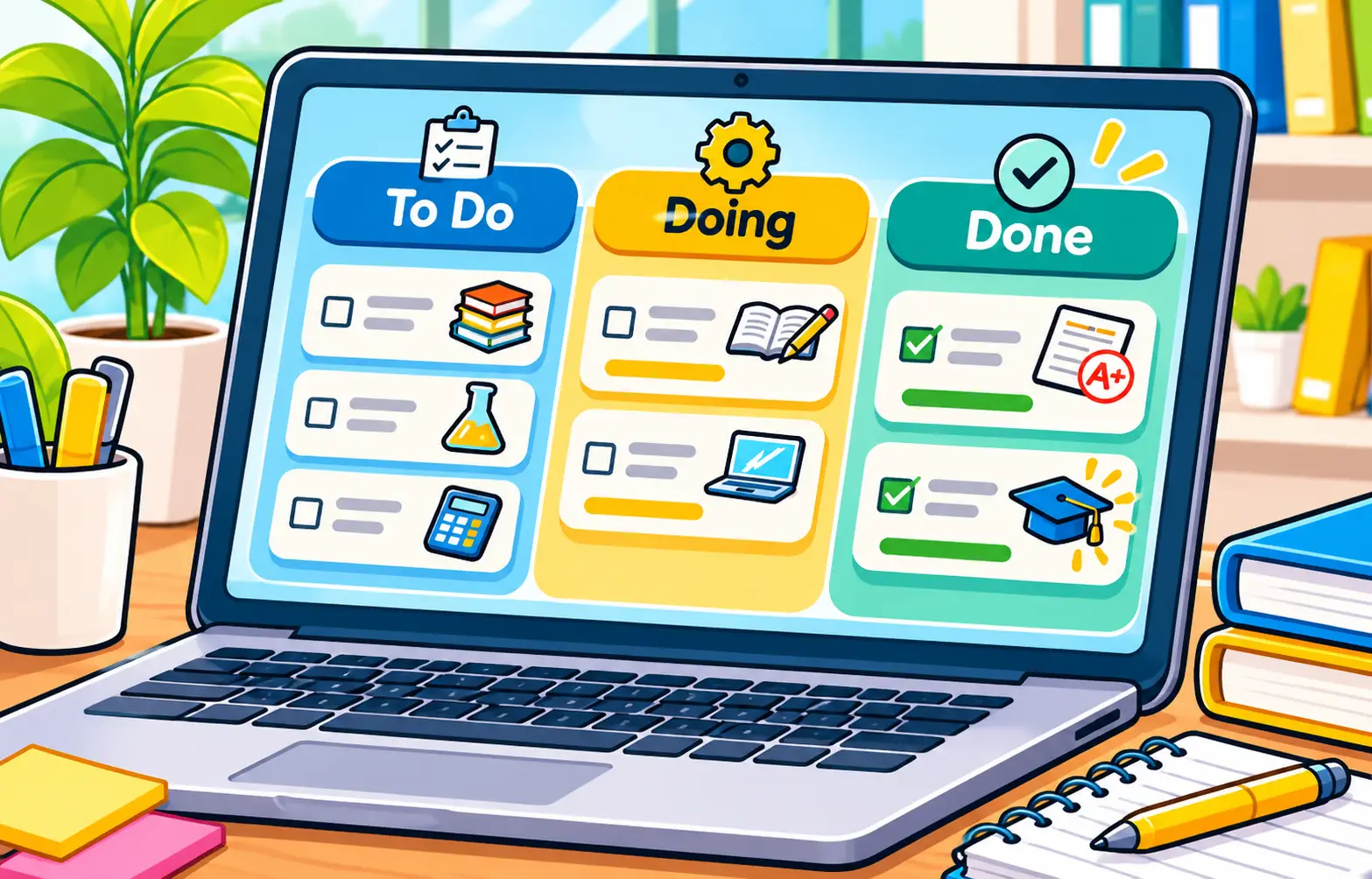
    If you’ve ever watched a student glare at a long-term assignment and say, “Where do I start?” then you know the power of a visual planner. A Kanban board – with columns for Backlog → To-Do/Next Up → Doing → Review → Done and movable task cards – makes invisible work visible. Just that one adjustment reduces cognitive load, increases momentum, and teaches self-regulation in ways far outpacing any lecture.

    Representation of a kanban board, with four columns showing stages of a workflow, with various cards scattered across the board.

    Below, I’ll explain why visual systems facilitate learning and how to implement Kanban effectively with secondary students. Why visual structure benefits the brain for learning, cognitive science supports making learning “visible.” 

    Our Working Memory is Limited

    Overloading our working memory with disorganized information complicates learning pathways. When we combine words and visuals, we make the order of work more digestible, and it enhances comprehension and retention by easing pressure on working memory. 

    A 2025 article from The Learning Scientists shares new research about “dual coding,” which means that when both words and visuals are presented in tandem to explain an idea. The use of both of these elements helps to break information down into purposeful word-image collaborations in an effective way to expand how much learners can process at any given time. Students can better conceptualize next steps and remember more of what they learn. This particularly helps in areas like math. 

    Why Kanban Works 

    The Kanban system for workflow came from the manufacturing industry and was later adopted by software engineers. In the classroom context, it’s adapted to organize visual learning tasks and make progress more observable at a glance. A 2023 chapter from a Springer book outlines how teachers can use Kanban boards to plan and how students can document and visualize their work-in-progress. These findings include lessons learned and suggestions for implementing this approach. This sort of approach is considered an agile practice, which means that it allows for quick feedback and more rapid iterations on a project. 

    A 2024 open-access article examined integrating agile with problem-based learning. They found practical benefits when students functioned in an iterative approach, broke down steps for transparency, and highlighted any work-in-progress bottlenecks – which is precisely what a Kanban board works to expose. 

    ScienceDirect Universities and teacher-preparation sites increasingly recommend Kanban as a group-work organization as well as seminar implementations because it externalizes the plan to those involved. Tasks, stages, owners, and blockers are no longer hidden under an umbrella; the shared visual prevents uncertainty (i.e., “I’m blocked in Doing because I need data from Aiden”). 

    What a Student-friendly Kanban Board Looks Like 

    You can create a Kanban board from painter’s tape and sticky notes on a wall or use a simple online tool to access one, as we do in our academic coaching sessions through our proprietary software—Swoon Front Office™ with Swoon Assist™.

    Keep it simple yet recognizable for grades 6-12: 

    Columns: Backlog (later) → To-Do/Next Up (this week) → Doing → Review → Done Cards: 

    • Keep it Simple: One to three tasks per card

    • Language: Written in student-friendly language with a clear verb
      (“Draft introduction paragraph”, “Find three sources”, “Conduct trial #2”). 

    • Limit Cards: Limit “Doing” to one to three cards per student to prevent multitasking and overload 

    • Member & Due Date: Include a name/initial and mini-deadline on each card.

    • Blockers: If a card is stagnant, tag it (“needs parent permission,” “waiting on materials”) so the class or teacher can be aware.

    • Ship, Ship, SHIP!: By keeping cards small, this enforces the idea of ‘shipping’. This entails moving cards from the “Backlog” to “Done” as efficiently as possible.

    Kanban helps students orient, prioritize, and anticipate transitions. If you’ve posted a bullet point outline for each day since the beginning of the year, the Kanban board is a logical next step since it offers accountability and progress tracking all in the same accessible visibility. 

    How Kanban supports “visual learners” 

    You’ll often hear that many students are “visual learners.” While labels tend to oversimplify student abilities, the broader observation rings true: visuals help. Cognitive science reviews warn against matching instruction to self-reported “learning styles”.  They challenge that using visuals effectively (e.g., reducing split attention, chunking sequences, and sequencing tasks) benefits most learners. 

    Thus, Kanban aligns with these evidence-informed elements by reducing cognitive load. Students no longer have to keep every step in their mind or spread notes out across notebooks and homework. The board minimizes memory constraints while clarifying the order of tasks.

    Conclusion

    When educators use a Kanban board, they are not merely encouraging students to organize a project—they are showing them how to learn. Each column and card becomes a mini-lesson about prioritization, focus, and self-analysis. Research—both through our own interactions with Swoon Learning software and our students, as well as studies by The Learning Scientists, Edutopia, and Springer Link—proves that these are critical components for deep learning and long-term independence.

    Whether it’s wall-mounted sticky notes or digitized color-coded boards – the message is clear: Learning is work that can (and should) be seen. When students see their progress visually, they’re far more likely to stay motivated, embrace conflict resolution, and finish what they start.

    That’s the beauty of Kanban. It takes something abstract like “learning how to learn” and makes it tangible, actionable, and empowering. For students who are naturally visual thinkers – the visibility is everything – for everyone else? They now have access to growth made real through a new perspective on all project components!

    At Swoon Learning, we take the proven power of Kanban and make it actionable through Swoon Front Office™ with Swoon Assist™ and its integrated ‘Workboard.’ This digital tool directly addresses the challenges discussed in this article: it “externalizes the plan” to immediately reduce cognitive load, provides “accessible visibility” for progress tracking and momentum, and teaches the self-regulation necessary for deep learning. By centering all of our Academic Coaching sessions around the unified structure of Swoon Front Office™ with Swoon Assist™, we ensure students develop lasting habits of prioritization and focus.

    Ready to turn overwhelm into organization? Reach out to us today to get started with Academic Coaching and experience the power of the Workboard firsthand.

  • Pumpkin Spice And Study Advice: Five Cozy Tips For Fall Learning

    Pumpkin Spice And Study Advice: Five Cozy Tips For Fall Learning

    Fall is finally here; leaves are changing, the air is crisp, and pumpkin spice is in full effect. Aside from sweaters and apple picking, it’s the perfect time to change up some old habits and embrace better study routines.

    With family dinners and falling temperatures, it’s only right that students use the season as a comfort to help establish their own fall-inspired habits for school success. Returning to school is just as nostalgic as returning to fall activities; there’s a way to harness the season’s celebratory memories to generate focus, motivation, and confidence.

    Here’s how some of your favorite fall moments—from a warm cider in hand to raking leaves—can help your student stay focused and thrive during the school year.

    Warm Apple Cider = Take Smart Breaks

    There’s nothing more comforting than your first sip of warm apple cider in the fall, getting you through a busy day with a boost. The same can be said for breaking while studying—intentional short breaks keep the brain fresh and focused.

    One of the biggest challenges for students is continuing to focus for extended periods of time and then losing steam. Yet research shows that productivity—even cognitive function—improves when we take breaks. A summary article from the National Institutes of Health (NIH) reports that during short rest periods following skill practice, the brain “replays” the learned activity in compressed form, which strengthens memory consolidation and improves subsequent performance. 

    Enter the Pomodoro Technique, which emphasizes taking intentional, small breaks periodically. This means work for 25 minutes, take a 5-minute break, then work for another 25 minutes, and repeat. After four Pomodoros (25-minute sessions), take a longer 15-20 minute break.

    Students need to be encouraged, however, to make those breaks purposeful and not distracting. Instead of reaching for their phone or computer (which can happen in just about any other season), suggest something more soothing:

    • A warm cup of cider or Chai

    • A good stretch or yoga pose

    • A moment outside for some fresh, crisp air

    All of these helpful suggestions take little time but help those between breaks become worthwhile instead of distracting.

    Apple Picking = Gather Your Resources Early

    How far would you get if you went apple picking but only brought home one apple? Not much of a pie! Learning is the same; the more students have beforehand, the easier it will be once they start studying.

    Encourage your child to gather all necessary resources before they get started, including books, notes, online resources, practice questions, and any worksheets given in class. Sounds simple? Not so much when one of the greatest efficiency killers is constantly getting up to grab things after you’ve already started.

    Every time you get up from the desk to find a piece of paper or stop what you’re doing to look for an online worksheet it means restarting your brain’s train of thought. Those little stops add up. This means materials should be compiled ahead of time; a “study basket” or digital file works best so everything is in one place. You can even use an online organization tool like Trello to track projects and homework assignments.

    Parents can help by doing this as well!

    Before your busy workday or Saturday project, take a few minutes to gather what you need. This shows your student that preparation for an effort is half the battle for success, regardless of whether you’re going out in the orchard or working toward a good grade!

    Raking Leaves = Clear the Clutter

    It’s hard to appreciate how beautiful it can be under a blanket of leaves; the same goes for a workspace. When students have messy desks, open tabs, and buzzing phones, it’s impossible to focus.

    Encourage your child to clear the space of distractions before getting started on homework. Here’s how:

    • Declutter the desk—only essentials should remain (a notebook, a pencil (or laptop), and maybe even a water bottle).

    • Silence notifications—phones should be kept out of sight or in another room while studying.

    • Set the scene—soft lighting, maybe a comfortable blanket, or soft music adds to a calming atmosphere.

    Parents can take this one step further by establishing a specific “study nook,” a small yet cozy space dedicated solely to homework. It doesn’t have to be fancy; even a corner of a dining room table or a space by the window will do. The key here is that it should always be the same. When children compartmentalize where they’re supposed to work, their brains can shift into that learning mode efficiently.

    Just like after raking leaves and looking at that effort was satisfying, getting in the mode with a clean and quiet space helps!

    Cozy Sweaters = Build Consistency

    Everyone has that favorite sweater for fall—soft, reliable, and always there when you need it. The same goes for consistent routines with students; those comforting structures create predictability for the day.

    Consistently approached study habits create better-for-you students academically—not because these students have more information but because they waste less time deciding when they’re going to study, and how.

    When students get home from school and know exactly what they’re supposed to do every single day—and parents do not challenge them—there’s less pushback when it comes time to sit down and focus.

    Help your child create a daily rhythm that feels best for your family; examples can include:

    • 3:30-4:00 PM: Snack/unwind time

    • 4:00-5:00 PM: Focused homework time

    • 5:00-5:15 PM: Break/light exercise

    • 5:15-6:00 PM: Review/reading/organization

    Again, the small details don’t matter as much as the reliability factor; there are few things more comforting than putting on a cozy sweater, and if studied habits become routine, that’s what they’ll feel like!

    If your student has trouble motivating themselves at first, start small! Even 20 minutes of consistent focus each day will foster momentum; over time, those little habits become big successes!

    Thanksgiving Feast = Reward Effort

    There are so many times throughout fall where we reward ourselves with comfort—from raking leaves and stepping back to assess an accomplishment or sitting around the table for Thanksgiving dinner, it’s important that hard work and discipline should be celebrated.

    A great way to motivate students is to show them that all effort can lead to acknowledgement—and it doesn’t have to come on an individual basis; it can come as group offerings too!

    Small gestures go a long way when they’re meaningful in academic efforts. Here are some ideas parents can use:

    • Daily accomplishments—did your student finish their homework by themselves without external reminders? Celebrate with their favorite snack or ten additional minutes on their computer.

    • Weekly successes—if your student stays on track during their study routine all week long without too much interference, celebrate with either a cozy movie night with the family or their favorite family meal.

    • Major achievements—if there’s an increase in grades, finished projects, or positive feedback from teachers, acknowledge this with something special (a small gift card or trip to their favorite place).

    Celebration teaches children that learning has value, which sometimes has to come in tangible offers as opposed to just personal efforts! This plays into Thanksgiving; even making Thanksgiving dinner happens piece by piece until finally—after the celebration and comfort—everyone comes together with all their hard work!

    Fall isn’t just about autumn’s pumpkins and plaids; it’s about using this season as an opportunity for reflection and adjustment! By using these fall-inspired traditions, students can create easier habits that make going back to school feel manageable and even enjoyable! All of these habits are crucial for students to feel capable and in control—and when parents champion the process with warmth and welcome sentiment—the whole family wins!

    Looking for help transforming these habits into straight A results?

    Our academic coaching program helps students find focus, build confidence, and fall back in love with learning again this season!

    Let’s take stress into structure this fall; let’s transform clutter into clarity; let’s shift distractions into growth because when children learn how to learn—even that—in itself is cause for celebration all year round! Book your FREE 30 min discovery session today to learn how Swoon Learning can help.

  • Beyond The Screen: Understanding And Preventing Cyberbullying In Education

    Beyond The Screen: Understanding And Preventing Cyberbullying In Education

    Why We Should Care about Cyberbullying.

    In September, Netflix released “Unknown Number: The High School Catfish,” a documentary that delves into the dark side of digital deception. Without giving away the ending, its twisting storyline and portrayal of advanced technology in cyberbullying left me reflecting. The narrative took viewers from confusion to conviction and back again—ending in shock and prompting one lingering question: How prevalent is cyberbullying in the American education system?

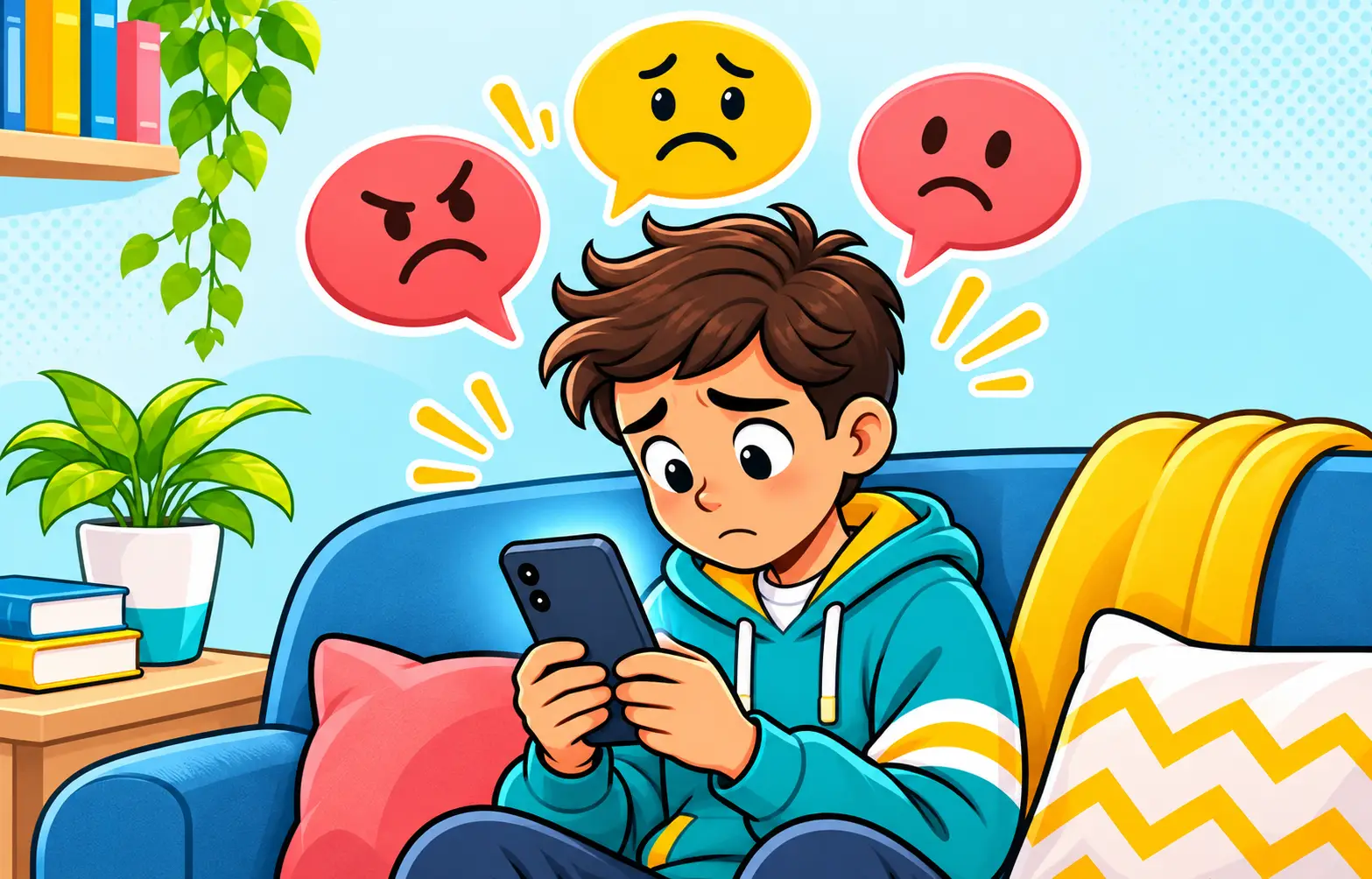
    According to the Cyberbullying Research Center, in 2023, almost one in five teens in the United States reported being victims of cyberbullying. Fast forward to 2025, “over 26% of American teenagers had experienced cyberbullying over the previous 30 days.” This high percentage has remained largely consistent despite increased attention to the matter and programs about digital safety. Unlike traditional bullying, which lets students escape at the end of the day, cyberbullying follows them home on their phones, gaming devices, and social media platforms.

    In many cases, it exacerbates insecurities and feelings of loneliness and despair. 

    Understanding Cyberbullying and How it Manifests Today

    The definition of cyberbullying is using digital technology (phones, social media, messaging apps, gaming chat rooms, etc.) to intimidate, humiliate, or otherwise harm others. While many of these attributes mirror in-person bullying, what makes cyberbullying distinct is anonymity and the ability to reach a large audience quickly.

    A 2024 article in Cybersecurity (Oxford Academic) defines it as “aggressive, intentional acts carried out through electronic means repeatedly and over time against a victim who cannot easily defend themselves.”

    Listed below are a few forms of cyberbullying:

    • Harassment: Sending someone unwanted, aggressive messages repeatedly.

    • Outing and Doxing: Revealing personal or identifiable information without the individual’s consent.

    • Impersonation: Creating fake accounts to post/message on someone else’s behalf.

    • Exclusion: Deliberately excluding people from digital chats/groups.

    • Flaming: An online fight filled with offensive language and inflammatory responses.

    From private texts to public chats on social media, recognizing how cyberbullying presents itself is the first step in preventing it.

    The Statistics on Cyberbullying in the United States

    The Cyberbullying Research Center’s 2023 study shows that while verbal bullying continues to be popular, in some states, digital bullying exceeds that of face-to-face bullying among middle and high school students. The top cited platforms for bullying include Instagram, TikTok, and Snapchat—the places where teens spend the most time online.

    Similarly, recent national research shows how prevalent it is. According to Cyberbullying.org, girls and boys both experienced an equal amount of cyber victimization. In more recent data polls, however, boys appear to be targeted at a higher rate than girls by 10%. Unfortunately, they also appear to be the cyber aggressor at a rate of approximately 10% higher than girls.

    Effects on Mental Health and Learning

    Cyberbullying has many associated symptoms for those involved in or witnessing its aggressive acts. Victims report significant reductions in quality of life; offenders experience mental health issues that warrant intervention; schools must pay attention to academic performance and behavioral patterning. Students who are victims of cyberbullying often develop increased levels of depression, anxiety, even insomnia, and social isolation from other students.

    A 2024 article in Computers in Human Behavior Reports notes that constant exposure can lead to symptoms of post-traumatic stress disorder (PTSD). From an educational perspective, students who fall victim show a decrease in motivation. Whether teachers start noticing absenteeism or declining test scores—or classroom participation changes drastically—cyberbullying victims exhibit signs that prevent them from reaching their full potential.

    Because cyberbullying can happen after hours—on various platforms that educators may not have access to—it’s especially challenging for teachers to identify victimization in the early stages. Since victims often feel shame, in some cases, they also tend to try to hide that they are being victimized.

    Risk Factors and Predictors of Cyberbullying Behavior

    Understanding who is most vulnerable—and why—helps educators make sense of patterns before victimization occurs. A 2023 meta-analysis found several predictors and outcomes consistent across victimization studies:

    • Individuals with high social media use demonstrate engagement in perpetrating and being victimized.

    • Low empathy correlates with impulsive behaviors predicting engagement with cyberbullying actions.

    • Family conflict and poor school climate are contextual predictors for positive or negative engagement.

    • Peers significantly impact whether students are safe from teasing/humiliation (i.e., classmates standing up for someone versus encouraging bullying).

    This information should help school networks and tutoring environments distinguish helpful prevention tips. It’s not just about blocking content; it’s about intervention before someone gets to that point.

    Evidence-Based Interventions Against Cyberbullying

    The good news? Evidence-based interventions work when conducted properly. A 2023 systematic review published in Frontiers in Public Health found that consistent victimization rates in schools decreased when proper training based on social-emotional learning (SEL), parent involvement, and educator workshops were held.

    In addition, a meta-analysis published in Frontiers in Psychiatry (2023) assessed 45 intervention studies and concluded that programs were most successful when multi-component structures included online education and in-person workshops. The most relevant components assessed included improvements seen for empathy, self-regulation, responsible use of technology, and decreases in aggressive behavior online.

    Intervention strategies include:

    1. School policies that explicitly define what cyberbullying is, how it violates social policy within the school community, and what will happen if someone reports online trauma/lack of accountability sustained by a classmate or schoolmate.

    2. Classes addressing digital citizenship—courses stressing empathy, respect for others, and the acknowledgement that online posts can last forever.

    3. Involvement by parents, limiting screentime, and discussions with their children on how to maintain privacy and only engage with people they already know online.

    4. Peer-led discussions on respectful digital practices to prevent bullying before it starts.

    5. Surveys are distributed regularly by educators to assess students’ perceptions of other students’ online experiences.

    A School’s Role in Prevention

    While tech companies have devised new ways to identify harmful content through networks and reporting measures, educators hold the key to sustainable prevention efforts. The most important steps being taken by schools to educate students on how to behave in the classroom and by defining rules of conduct while on campus are a good start. Teachers and parents also play an important role by noticing changes in student behavioral patterns. Community and human connection are the best lines of defense to protect students from cyberbullying.

    A positive school climate—one where inclusion and respect are prioritized—is proven to be a buffer against cyberbullying. Whether a classroom or an online tutoring forum—it’s vital for educators to normalize conversations about what constitutes digital ethics as much as they do physical safety drills or definitions about plagiarism.

    Building emotional understanding with peers facilitates accountability for a new digital culture that needs re-establishing.

    What Parents/Educators Can Do Now

    Cyberbullying is not inevitable; it is preventable.

    The first thing parents can do is establish device-free times during which they check in with their children about what they’re doing online. Educators must use discussion times in class with a restorative process to ensure that teachers work with counselors for early detection before too many symptoms become apparent. Digital safety is paramount to academic success. Once children feel emotionally safe, they learn more effectively, engage in better online habits, and thrive in community.

    At Swoon Learning, we understand the critical importance of a safe online environment, especially since the majority of our academic coaching sessions are conducted virtually. We take cyberbullying very seriously and are committed to fostering a supportive and respectful digital community for all our students. If you’re wondering if online academic coaching is right for your child, we invite you to sign up for a FREE 30-minute discovery call with one of our Academic Coaching Directors today.

  • Plugged In, Checked Out: How Devices Rewire Kids’ Memory And Mood

    Plugged In, Checked Out: How Devices Rewire Kids’ Memory And Mood

    It’s no surprise that children and adolescents of today spend extensive hours on their phones, tablets, and gaming devices. What was once a passing distraction has become a daily itinerary of many young kids checking their social media platforms a few times an hour, even up to hundreds a day. For the most part, the benefits of technology and devices come in the form of educational and social opportunities; yet, device and technology addiction is on the rise. This compulsive dependence impacts mood, behavior, and in certain circumstances, neurological development.

    Many studies and observations from contemporary society indicate that tech addiction is a real phenomenon. Technology addiction is not a stand-alone event any longer—from cognitive impact to emotional disturbances to state-sponsored litigation against social media companies for keeping the youth safe.

    Devices Impact Brain Development

    Neuroscience backs up parental assumptions. Excessive screen time alters the function and subsequent growth of a child’s brain—and not for the better.

    A 23-year review of neuroimaging studies involving 30,000+ youth reported that “screen time has quantifiable effects on the structure of children’s brains, especially in regions associated with executive function, language, and attention” (New Research: Children’s Brains Are Shaped by Their Time on Tech Devices, 2023). The results suggest that excess device use impairs the prefrontal cortex, which promotes decision-making and self-regulation. The two issues are also common characteristics of ADHD children. Sometimes this overlap results in parents self-diagnosing their children with ADHD when it could be a side effect of too much screen time. Harvard Medical School reports that “digital devices disrupt a range of domains including sleep and creativity” (Screen Time and the Brain, 2024). This disruption comes with long-term consequences as children and adolescents are still forming brain circuits. Sleep disruptions, reduced memory consolidation ability, and decreased problem-solving are merely initial effects.

    Ultimately, the more children’s brains are bombarded with the instantaneous dopamine responses from endless scrolling and gaming, the less opportunity they have to cultivate the deep thinking capacities necessary for focus, reflection, and learning.

    Executive Function Vulnerability

    Executive function is especially vulnerable when it comes to impulse control, planning, and cognitive flexibility.

    The Adolescent Brain Cognitive Development (ABCD) study is a significant longitudinal study in pediatric brain health research. A prospective analysis published in BMC Public Health found that increased screen time at baseline predicted greater behavioral and emotional concerns two years later (Screen time and mental health: a prospective analysis of the ABCD Study, 2024). It’s not enough to say device use correlates with negative consequences; it may cause a negative developmental trajectory for youth.

    Memory becomes vulnerable as well. When youth multitask with applications, notifications, and videos, they exceed their working memory capacity. Harvard researchers detail how constant interruptions prevent the hippocampus from adequately converting information into long-term memory. In the end, this means impaired recall capacity and academic achievement.

    The Emotional Impact: Mood Swings, Irritability and Depression

    Beyond cognitive vulnerabilities, electronic addiction impacts emotional health.

    Child psychologist Dr. Jennifer Katzenstein notes how excessive device use often mirrors other behavioral addictions: “We see withdrawal symptoms, irritability when they’re told they can’t have it anymore… mood changes like depression and anxiety” (Addiction to Electronic Devices, Johns Hopkins, 2025).

    An aggregate study from The Washington Post reported that “young people exhibit addictive behaviors toward phones, social media, and video games” (Young people show addictive behavior with phones, social media, video games, June 30, 2025). Almost half of surveyed youths showed signs of problematic use; furthermore, those with the highest levels of addition were substantially more likely to experience mental health conditions, including suicidal ideations.

    USA Today puts it bluntly: “Cellphones, video games and social media can be highly addictive for children and can lead to mental health problems for the most addicted youths” (2025).

    When children and adolescents become addicted to devices, it jeopardizes their academic success but also their emotional stability, peer relationships, and self-image.

    How Parents Can Recognize Signs of Device Addiction

    Indicators exist for parents to pay attention to that may signal when a child’s screen time becomes detrimental. According to Katzenstein’s concerns for children and adolescents who are engaging in excessive screen time are:

    • Mood changes/agitation when screens are taken away

    • Aggression or violence against screen limits

    • Withdrawal symptoms means annoyance or discomfort when screens are gone

    • Depression and anxiety often exacerbated by social media comparisons

    • Decreased academic performance/delayed work or reduced attention span

    • Decrease in interest in things outside screens—sports activities and in-person friendships

    It’s not about the number of hours; it’s whether screen time gets in the way of healthy development, daily tasks, and emotional stability. Healthy alternatives to screen time involve exercise and in-person family engagement.

    The Public Health Picture

    The growing acknowledgement of device addiction has spurred major policy conversations.

    In 2024, New York City made an official decision to label social media networks a public health crisis. The City has filed legal action against TikTok, Meta, Snap and YouTube alongside the Department of Education and Health and Hospitals Corporation claiming that these companies “exacerbate the national youth mental health crisis” (Gold 2024).

    According to journalist Ables, this lawsuit reflects “the severity of the situation” and that tech companies must be held responsible (New York City’s Unprecedented Action 2024). This lawsuit also aligns with the Surgeon General’s request for social media companies to better safety measures, provide mental health interventions, and collaborate with researchers on solutions (Surgeon General 2021).

    With an entire metropolis suing social media companies in 2025 shows that tech addiction and its mental health impact remain valid yet unresolved ongoing concerns.

    Reducing Device Addiction

    While lawsuits and regulations may take time, families and schools can take swift action for children vulnerable to excessive screen use.

    Tips for Parents/At Home:

    • Model balance: Show kids that adults can put their phones down too.

    • No-device zones: No mobile phones at the dinner table or in bedrooms.

    • Time limits: Employ parental controls/ app timers for enjoyment.

    • Emphasize off-screen hobbies: Sports or arts or outdoor games or reading literature.

    • Before bedtime: No screens one hour before bed—screenless bedrooms only.

    Work with your teens regarding screen impact by conducting your own experiments about feelings experienced around digital time vs post-digital time. You can have them journal about their thoughts before/during/after scrolling. The best way to detox from screens is to replace those hours with hobbies or physical activities.

    Conclusion

    Digital addiction has surpassed buzzword status as a tangible threat to cognitive development for youths—their emotional stability, peer relationships—and research supports that “screen time has measurable effects on the structure of children’s brains” (New Research: Children’s Brains Are Shaped by Their Time on Tech Devices 2023), compounded by emotional consequences including mood regulation, depression and anxiety.

    While policymakers are now taking action—as New York City did against powerful tech companies—the immediate steps must be taken from our homes and schools. By identifying signals of device addiction—and addressing proactive steps for finding balance—we can ensure that technology is a tool for development instead of a trap that shrinks youths’ potential.

    Discover how Swoon Learning’s executive function coaching can help your child with device dependencies. Sign up for a FREE 30-minute discovery session today and be matched with the ideal Academic Coach for your child’s needs.

  • Standing Out In College Admissions: Authenticity Counts

    Standing Out In College Admissions: Authenticity Counts

    As we already know, gaining admittance into top-tier colleges is highly competitive. Beyond the obvious accomplishments required, including advanced AP courses, top honors and grades, test scores, sports and community service, colleges want to know if you can brand yourself into an intriguing and authentic person who aligns with their values and who has insight, depth, and maturity. How to stand out when the competition is fierce and the stakes keep rising.

    So where does one begin?

    The Evolving Role of Community Service (2018-2022)

    Looking back to 2018, a trend emerged: completing more than 200 hours of community service was a unique way to stand out on college applications. According to Forbes.com, a survey of college admissions officers and staff shows that “targeted community service may be a shortcut to scoring college admissions or serve as a powerful tie-breaker among competitive applicants.” In fact, 58% of college admissions personnel agreed. The key to volunteering for your favorite cause is to make the experience meaningful.

    Colleges want to know that each student has taken the task seriously and has cultivated insights and observations through their experiences.

    In 2022, the Harvard School of Education re-emphasized that it wasn’t enough to simply accumulate community service hours. The student must select meaningful work that they can reflect on. In short, they want to know that the student selected a service that is in alignment with their brand and mission. 

    According to Harvard, the top three assumptions about those who perform community service are that students who serve others will be active in student social life, contribute to the school’s mission, and align with the school’s values. In other words, they want to see that students are motivated, responsible, and have the potential to become future leaders. 

    Community Service in 2025: Beyond the Hours

    In 2025, will community service still serve as an advantage for admissions?

    Well, the answer is yes and no. The arching trend is now more in alignment with having an authentic voice and showcasing each student’s personal brand. It is less about the specific activity and more importantly about dedication, insight, and grit. The two hundred hours of community service are worthless without personal insight. You could just as easily spend time working on your uncle’s cattle ranch, as long as you can articulate an insightful story about the experience. It would be even more beneficial if you could pursue a research project on cattle management the following summer. Be creative. Consider innovative approaches to highlight unique experiences and curiosity.

    The Resurgence of Standardized Test Scores

    Now let’s talk about test scores. Recently, the trend for college admissions has been to dismiss standardized test taking. Despite occasional criticism of standardized tests as potentially discriminatory, it’s crucial not to mislead students into believing they hold no significance. Institutions may now be rethinking the need for both the SAT and ACT. In 2022, the College Board published a paper that found that an SAT score over 1188 was a strong indicator that a student would complete a bachelor’s degree within four years. The test group size was around 868,000 students across 1700 four-year institutions. This finding may be one of the reasons that MIT, Dartmouth, Yale, and Brown have all reinstituted test-taking. It turns out that the SAT is a useful indicator that students are taking their education seriously with hard work and dedication. It also means that the university can depend on a student’s tuition for the next 4–5 years.

    The Importance of Foreign Language and College Courses

    What about foreign language and college courses?

    Yes, and yes. Top-tier universities require students to study a foreign language for a minimum of three to four years. And it seems the more college courses you can take pre-college, the better. The number of courses should be in the range of six to ten. In addition to these checklist items, colleges want each student to present their experiences as a cohesive brand that reflects a serious and dedicated college student aligned with the interests of the campus. If you want to study agriculture, did you also learn Spanish so you could study a particular type of agriculture native to South America?

    The details in your story count. 

    Navigating Increased Applications and Acceptance Rates

    With an increasing number of applications and a stagnant number of open spots, gaining admission to colleges has become significantly more challenging. 

    The introduction of EasyApply Technology exacerbates this issue by allowing applicants to simultaneously submit a single application to multiple institutions, leading to an influx of generic submissions. This mirrors a trend observed in the job market with large employment search engines. Admissionsite reports that top-tier schools now accept only 3–5% of applicants on average.

    Crafting an Authentic and Purposeful Application

    The path to a top-tier college acceptance is no longer a simple checklist of test scores, AP courses, and community service hours.

    Universities want to see a student who has not only worked diligently on academics throughout their high school career. They also want an applicant who has developed a real sense of purpose, resilience, and self-awareness. This entails making sure that your experiences match up with a clear personal brand, thinking thoroughly about what you’ve learned, and showing that you’re mature enough to do well in a campus community. Your profile should be insightful—whether demonstrated through service, advanced language studies, a rigorous curriculum, or original personal projects. Your ability to blend intellectual depth, grit, and individuality will distinguish you in an environment that admits only a small fraction of applicants.

    If you’re feeling overwhelmed by the college admissions process, remember that Swoon Learning is here to help. We work with a network of experienced college admissions partners who can provide personalized guidance and support to help you craft an application that truly reflects your unique strengths and aspirations.

    Don’t hesitate to reach out; we’d be happy to connect you with the resources you need to succeed. Visit our contact page to learn more.


  • Keeping Students On Track When They Are Chronically Absent

    Keeping Students On Track When They Are Chronically Absent

    Absences are a normal part of any student’s academic journey. Medical appointments, family emergencies, and extracurricular activities are common among the majority of students. What happens if absenteeism becomes persistent? The Department of Education reports that chronic absenteeism is a rising concern in the United States, particularly following the Covid-19 outbreak. The American Enterprise Institute reports that “in the 2023–2024 academic year, about 23.5% of K–12 public school pupils were absent for over 10% of classes”. “Over 30% of pupils consistently miss school in more than half of urban districts”. The primary cause for this is the presence of chronic health issues, encompassing both physical and mental conditions.

    Learning gaps can occur when students skip a significant portion of class. Consistent gaps may result in stress, declining grades, and diminished motivation. Parents serve as a crucial connection in disrupting the cycle and redirecting adolescents towards success.

    The Significance of Absenteeism

    Missing school has consequences beyond grades. Studies demonstrate that chronic absence in early education reduces the likelihood of students attaining grade-level reading competency by the third grade. Missing middle and high school classes increases the likelihood of failing, losing interest, or even dropping out by the time you reach high school.

    Chronic absenteeism of a student impacts the entire classroom. Educators must adjust the tempo, as a single student’s tardiness may lead to reduced engagement among their peers due to boredom. Consequently, every absence incurs repercussions, underscoring the necessity of assisting students in maintaining structure during their break in order to stay on task.

    Tips to Keep Students on Track

    1. Formulate a strategy.

      Staying organized may alleviate the sensation of having an excessive workload. A basic calendar or digital planner allows for effortless tracking of missed assignments. Parents may contact teachers in advance to request a list of chapters their child has missed and the corresponding homework required. A clear plan divides a large task into smaller, easier-to-manage tasks that can be completed within a specific time frame.

    2. Seek assistance from your instructor and school.

      Many educational institutions now incorporate methods for students to monitor their assignments, such as class notes, recorded lectures, and digital platforms. Parents can request a prioritized list of immediate tasks from teachers and those that can be deferred. Certain schools employ counselors or liaisons to monitor students who are ill and absent from school. Reach out to your school to request as much guidance as possible in advance of being chronically absent.

    3. Make use of community and online resources.

      Tutoring platforms, study apps, and instructional videos can supplement learning while your child is away from school. Research indicates that health and telehealth initiatives in educational institutions can substantially reduce student absenteeism. Parents want to consider academic coaching beyond the school environment, which provides children with customized schedules, weekly evaluations, and accountability support. Students will be more effective if they have access to outside resources. Students of Swoon Learning use our proprietary software, Swoon Front Office® to manage their work efficiently.

    4. Chunk tasks

      Rather than engaging in last-minute cramming prior to the deadline, students can divide their tasks into smaller, more manageable segments. This is called chunking. Task chunking is a productivity strategy where a large or complex project is broken down into smaller, more manageable pieces or “chunks” that can be tackled one at a time. Divide the work into smaller segments and dedicate around  20-30 minutes per subject. Students can restore their confidence and enthusiasm by studying each subject daily in small chunks.

    5. Prioritize core subjects.

      Prioritize mathematics, composition, and reading comprehension if time is limited. These attributes enhance students’ success in all their other subjects. After completing the primary tasks, you can reintegrate electives and enrichment activities. 

    6. Take care of your mental health.

      In addition to creating issues in the classroom, absence has an emotional impact on each student. Students may experience feelings of overload, guilt, or anxiety. Parents can reduce this by maintaining open communication, reassuring their child of support, and, if necessary, introducing them to mental health professionals or school counselors beyond the academic environment. Emotional support is key to a healthy mental perspective. 

    With the advancements in technology, it is no longer necessary to fall behind if your child must be chronically absent from school. Students can maintain progress and excel in class, and even cultivate executive functions if provided with appropriate tools, structure, and support. Addressing chronic absenteeism not only enhances immediate performance but also fosters resilience and resourcefulness. To ensure success during absenteeism, one must stay organized, break down assignments, and seek outside assistance.

    Swoon Learning’s platform, Swoon Front Office® with Swoon Assist™ helps students who are absent from school stay current with their schoolwork by providing tools that bridge the gap between home and school. It assists students in tracking missed assignments and upcoming responsibilities, allowing them to prioritize their work without feeling overwhelmed. The platform also enables students to arrange coaching sessions and facilitates communication among all users to ensure they remain informed and receive direct assistance. Additionally, it supports the development of individualized catch-up programs with clear deadlines and progress monitoring, fostering a sense of accomplishment upon students’ return to school.

    Would you like to provide your child with the necessary resources for success and maintain communication? Schedule a FREE 30 min discovery session with Swoon Learning today.

  • Understanding ADHD Understimulation: A Guide For Parents Of Middle School Students

    Understanding ADHD Understimulation: A Guide For Parents Of Middle School Students

    When most people think about ADHD, they imagine a child who is overly energetic, distracted, or unable to sit still. But there’s another side of ADHD that often goes unnoticed: ADHD understimulation.

    Understimulation occurs when the ADHD brain is not sufficiently challenged, interested, or engaged. For middle school students, this can look like daydreaming, procrastinating, or avoiding tasks that seem “boring” or repetitive. It’s not laziness. It’s a brain that craves stimulation and struggles when it doesn’t get it.

    For parents, understanding understimulation is key to helping children develop strategies to stay motivated, focused, and balanced, both in and outside the classroom.

    What Is ADHD Understimulation?

    ADHD is not only about distractibility or hyperactivity. It also affects how the brain regulates dopamine, a neurotransmitter tied to motivation and reward. When tasks don’t provide enough stimulation, the ADHD brain essentially says, “Why bother?”

    This is understimulation: the feeling that a task isn’t interesting or rewarding enough to even get started. For middle schoolers, this often shows up in situations like:

    • Homework that feels repetitive or unchallenging.

    • Long lectures without interaction.

    • Studying subjects they don’t find personally meaningful.

    • Daily routines that feel monotonous.

    Understimulation can make school more challenging, even for intelligent and capable children.

    Signs of ADHD Understimulation in Middle Schoolers

    Parents often notice subtle signs before teachers do. A child may start assignments but abandon them quickly, or appear “spaced out” during class and homework. Procrastination is common. Many students wait until the very last minute because the looming deadline finally provides the stimulation they need to begin. Others may fill their time with distractions such as chatting, gaming, or scrolling through social media while insisting that schoolwork is boring.

    It’s important to remember these aren’t acts of defiance. They are signals that the ADHD brain isn’t finding enough interest or reward in the task to keep going.

    Why Understimulation Matters in Middle School

    Middle school is a turning point. Academic expectations increase, homework becomes more complex, and teachers rely more heavily on students to manage their own responsibilities. If understimulation isn’t addressed during this stage, it can lead to incomplete assignments, falling behind in class, and growing frustration at home. Over time, children may start to believe they “ aren’t good at school,” even though the real challenge lies in how their brain engages with tasks.

    Recognizing understimulation early gives parents the chance to help their children build study habits and coping skills that will carry into high school and beyond.

    Strategies for Parents to Help with ADHD Understimulation

    Make Tasks More Engaging

    If homework feels tedious, try adding layers of interest. Some students enjoy turning study notes into a quiz game, using colorful visuals or diagrams, or listening to background music while working. Even something small, like a fidget tool or studying in a different space, can provide just enough novelty to re-engage their brain.

    Break Work into Smaller Pieces

    Understimulation often makes a task feel overwhelming because the brain resists starting. Parents can help by breaking assignments into bite-sized steps. Instead of saying, “Write your essay,” begin with, “Let’s come up with three ideas for your introduction.” Achieving these smaller goals provides the dopamine boost needed to continue.

    Encourage Movement While Learning

    Many students with ADHD focus better when their bodies aren’t still. Encourage them to pace while using flashcards, stand at a counter instead of sitting at a desk, or even bounce gently on an exercise ball during reading. Movement can help the brain re-engage with what might otherwise feel monotonous.

    Add Variety to Study Sessions

    One way to fight understimulation is to rotate between different tasks. For example, a child might spend 15 minutes on math problems, then switch to history, then return to math for a shorter practice session. This approach, interleaving, prevents boredom and keeps the brain more alert.

    Use Rewards Wisely

    ADHD brains thrive on rewards because they release dopamine. This doesn’t need to mean bribery. Even small motivators, such as brief breaks, screen time, or points toward a fun weekend activity, provide the push to complete tasks. What matters most is that the reward feels immediate and meaningful to the child.

    When Understimulation Becomes a Bigger Challenge

    Sometimes, understimulation leads to bigger struggles like chronic procrastination, anxiety, or repeated conflict at home over homework. If a child consistently avoids schoolwork despite support and encouragement, outside help may be needed. 

    Academic coaching can make a difference by teaching executive function skills, building accountability systems, and tailoring strategies to how each child’s brain works best.

    The Role of Executive Function

    Executive function is the brain’s “management system.” It handles planning, organization, and time management. Because ADHD often disrupts these skills, understimulation can hit even harder. A student might know what needs to be done but can’t organize the steps, or they may spend more time worrying about the task than completing it.

    Strengthening executive function is a core part of managing understimulation. With guidance, students can learn how to prioritize, plan effectively, and use structure to make even mundane tasks more approachable.

    How Parents Can Support at Home

    Parents are powerful partners in helping children manage understimulation. Creating a structured but flexible homework routine reduces stress, while gentle check-ins provide accountability without nagging. 

    Modeling how to handle boring but necessary tasks, such as folding laundry or finishing paperwork, shows kids that everyone has to work through moments of low interest. Parents can also encourage curiosity outside of school, such as hobbies, sports, or creative projects, to give the ADHD brain healthy outlets for stimulation

    Parents can also pair their children with an Academic Coach. By working with one, students maintain better study habits, improve their executive functioning skills, and avoid understimulation. 

    Turn Boredom into Opportunity

    ADHD understimulation isn’t about laziness or lack of ability. It’s about how the brain processes interest and reward. For middle schoolers, this challenge can affect homework, studying, and motivation. 

    But by breaking work into smaller steps, adding variety, and strengthening executive function, parents can help their children discover new ways to stay engaged.

    Supporting your child through ADHD understimulation doesn’t just make this school year easier. It builds lifelong habits for learning and growth.

    Want to find a stable support system to work beside your child with ADHD? Book a free session with Swoon Learning today.

Get 30% off your first purchase

X