Author: Carla Bayot

  • Starting The Year Strong With Academic Coaching For High School Students

    Starting The Year Strong With Academic Coaching For High School Students

    The start of a new school year brings excitement and new opportunities. However, for middle and high school students, it also brings stress: tougher classes, higher expectations, and the pressure of balancing academics with extracurricular activities. Often, families wait until the middle or end of the year to seek help.

    The truth is, academic coaching for high school students (and middle schoolers, too) is most effective when it starts at the beginning of the year. By building foundational habits early, students learn how to stay organized, retain information, and develop the skills they need for success long before they’re overwhelmed or burned out.

    Why Early Support Makes All the Difference

    Many parents hold off on getting academic support for their children until they notice missing assignments, low test scores, or frustrated teachers. While it feels natural to respond once problems arise, waiting until then often makes the situation harder to turn around.

    By mid-year, students may already feel discouraged, behind on core concepts, or stuck in unproductive habits. Trying to “fix” these issues while new material keeps coming is like trying to repair a car while driving at full speed. It’s possible, but much more stressful.

    Starting with academic coaching early gives students tools before problems they even know they need help, setting them up to succeed from day one.

    The Power of Having a Strong Academic Foundation

    Academic success isn’t just about intelligence. It’s about systems. When students have routines for note-taking, studying, and time management, they’re better prepared to handle advanced classes and heavier workloads. Without these systems, even the brightest students struggle in school.

    An academic coach helps students:

    • Establish consistent routines that make studying easy.

    • Learn organization techniques that prevent missed assignments.

    • Set up strategies for memory that improve information retention.

    • Develop resilience when challenges inevitably arise.

    By starting early, these foundational skills develop with the school year’s lessons, making it easier for students to absorb new material and perform well on tests.

    How Academic Coaching Differs from Tutoring

    Some parents wonder, “Why not just wait and hire a tutor if my child struggles in math or science?” While tutoring focuses on specific subjects, academic coaching for high school students addresses the big picture: the skills that apply across every subject.

    Tutoring answers “What is the answer to this problem?” Coaching answers “How do I approach problems like this on my own?”

    This distinction is crucial. Academic coaching builds independence and problem-solving abilities, so students don’t just scrape by in one class—they develop tools they can carry into all their subjects and even into college.

    Starting Early Improves Retention

    Another major benefit of starting coaching early in the school year is knowledge retention. Students forget much of what they learned over the summer, and without review, those gaps can widen. An academic coach helps close those gaps while also reinforcing new material as it’s introduced.

    For example, a coach may help a student:

    • Refresh last year’s math concepts before algebra builds on them.

    • Strengthen essay-writing skills before papers are assigned in multiple classes.

    • Practice executive function strategies, like using planners or breaking projects into steps.

    By shoring up old skills while supporting new ones, academic coaching ensures learning is layered instead of lost.

    Reducing Stress for Students and Parents

    One of the biggest pain points families face during the school year is stress. Parents may feel like they’re constantly nagging about homework, while students may feel frustrated by constant reminders. This cycle can harm relationships and leave everyone exhausted.

    Working with an academic coach early changes this dynamic. Instead of parents acting as enforcers, coaches provide guidance and structure. Students can gain tools to take ownership of their learning, while parents can step back into a supportive, not managerial, role.

    Building Habits That Stick

    Habits form quickly in the first weeks of school. If a student gets into the pattern of procrastinating or cramming, those habits can be hard to break. However, if they learn how to plan, manage their time, and study effectively right away, those habits become second nature.

    An academic coach acts like a guide, ensuring students start strong. Over time, the repetition of good strategies leads to automatic habits. For example, a student who consistently breaks essays into smaller steps from the beginning of the year will do so naturally by the time finals arrive.

    Preparing for College and Beyond

    The skills learned in middle and high school don’t just affect grades. They’re preparation for life. Time management, self-advocacy, and effective communication are essential in college, careers, and personal growth.

    Starting academic coaching early helps students retain these skills when the stakes are lower, so they’re ready for greater independence later. By the time they reach college, they already know how to manage deadlines, organize their work, and study effectively without constant reminders.

    How Swoon Learning Supports Students from Day One

    At Swoon Learning, our Academic Coaches don’t just step in when things go wrong. We work with families at the start of the year to set students up for success. Using our proprietary Swoon Front Office® platform, students can:

    • Visualize assignments and due dates on a personalized workboard.

    • Use scheduling tools to balance school, sports, and activities.

    • Build sustainable habits for organization and focus.

    Combined with one-on-one coaching, these tools empower students to build independence and stronger learning foundations that last long beyond the school year.

    Start Strong, Stay Stronger

    The best time to begin academic coaching for high school students isn’t after the first failed test or missing report card. It’s right at the start of the school year. Early coaching sets the stage for better study habits, stronger retention, less stress, and higher grades.

    For parents, this means less conflict and more support. For students, it means entering the year with tools that make success achievable.

    If your child is entering middle or high school, now is the time to give them the foundation they need. With the right academic coaching, the year ahead can be less about stress—and more about growth.

    Want to start your child’s journey with an Academic Coach? Schedule a free discovery session today.

  • How To Get Study Time In When Traveling For School Sports

    How To Get Study Time In When Traveling For School Sports

    Being a student-athlete is like having two full-time jobs—school and sports. When traveling for games, meets, or tournaments, finding time to study can feel almost impossible. You’re on the move, surrounded by teammates, mentally focused on competition, and maybe even physically exhausted. 

    So how are you supposed to keep your grades up, too?

    Here’s the good news. With the right strategy, you can manage both. It takes a little planning, smart time management, and support from the right people—like an Academic Coach. But it’s possible.

    Here’s how to stay on top of your schoolwork even when you’re on the road:

    1. Plan ahead

      Being prepared is everything. As soon as you get your sports travel schedule, pull out your school planner (or use a digital one like Google Calendar or your Swoon Front Office® calendar) and mark the days you’ll be out of school. Then look at what’s coming up in your classes—homework due dates, test days, projects, readings. Identify any assignments or exams that fall near or during travel.

      Once you know what’s coming, make a manageable plan. What can you complete before you leave? What do you need to bring with you? If you know a test is scheduled for the day after you return, you’ll want to start studying early or ask your teacher if you can take it ahead of time. Teachers appreciate when you’re proactive. It shows you care about your grades, even with your packed schedule.

    2. Use travel time to your advantage

      The bus, plane, or van you’re traveling in is more than a ride to your game or match. It’s a mobile study hall if you treat it like one. You might want to scroll through TikTok or take a nap, but using just 30-60 minutes of that time to review flashcards, listen to a podcast related to class, or go over notes can make a big difference in test results—and your grades.

      Pro tip: Download everything in advance. Wi-Fi can be spotty on the road, so don’t rely on being able to access Google Docs or YouTube videos. Use apps like Quizlet, download PDFs of your notes, or bring printed worksheets and books. Headphones are a must, too. They can help you stay focused even when your teammates are chatting or playing music.

    3. Set mini goals

      When traveling, it’s easy to feel like you don’t have time for anything—especially schoolwork. Keep it simple. Instead of thinking, “I need to study for my whole biology test,” break it down into smaller, bite-sized goals like: review 10 vocab words, watch one review video, redo two practice problems, and summarize one page of notes.

      These “mini goals” feel more doable, and hitting them gives you a sense of accomplishment. You can knock out one goal during breakfast, another on the bus, and maybe one more before bed at the hotel.

    4. Work with an Academic Coach

      This is your secret weapon.

      An Academic Coach helps you stay organized, focused, and on top of your work—especially when your schedule gets hectic. They can help you: make weekly or monthly study plans, break, set priorities when you’re overwhelmed, and keep you accountable, even when you’re traveling.

      Think of them as your academic trainers. Just like your coach helps you level up your performance on the field, your Academic Coach helps you stay strong in the classroom. The best part? They’re there to support you, not to add pressure. They’ll cheer you on, help you problem-solve, and adjust your plan when life gets busy.

    5. Talk with your teachers

      Don’t wait until you’re on the road to explain why your homework isn’t done. Teachers are more understanding when you give them a heads-up. 

      Let them know in advance when you’ll be traveling and ask about options. Can you get your assignments ahead of time? Is there a way to submit work digitally while you’re away? Can you make up a quiz the day before you leave?

      Most teachers will appreciate your responsibility and try to work with you. It shows them you’re committed to your sport and your classwork.

    6. Don’t forget about your wellbeing

      Studying when you’re running on empty doesn’t help anyone. Prioritize your sleep, stay hydrated, and eat well while traveling. Pack healthy snacks, and make rest a priority when the competition is over. Your brain needs fuel just like your body does.

      When well-rested, you’ll retain more information, stay focused longer, and actually get your studying done faster.

    7. Know your limits

      You can’t do everything. If you’re on a packed tournament weekend with zero downtime, be honest with yourself—and your teachers—about what’s realistic. Maybe you can’t finish a 3-page essay on the road, but you can get a rough outline done.

      Progress over perfection. Do what you can, and make a plan to catch up when you’re back home.

    Keep winning

    Balancing school and sports isn’t always easy, but it’s possible. It just takes a little strategy, some self-discipline, and a strong support system. Use your travel time wisely, plan, break your studying into small goals, and don’t be afraid to ask for help.

    Remember: having an Academic Coach in your corner can make all the difference. They’ll help you create a plan that works for you, hold you accountable, and give you the tools to succeed on the field and in the classroom.

    You’re already proving that you’re committed, disciplined, and hardworking—those same skills will help you crush it academically, too.

    Now go win that game and ace that test.

    Want to start working with an Academic Coach? Book time with one today.

  • ADHD Learning Strategies For Middle School Parents

    ADHD Learning Strategies For Middle School Parents

    Middle school can be difficult for any child, especially because they have new classes, heavier workloads, changing friendships, and growing independence. For students with ADHD, these few years bring extra challenges: managing distractions, staying organized, and keeping up with assignments. As a parent, you want to help without taking over. That’s where understanding and applying effective ADHD learning strategies can make all the difference.

    This blog is designed to give middle school parents tools for supporting their child’s learning at home. By using approaches tailored to how ADHD brains work best, you can reduce stress, foster independence, and set your child up for long-term success.

    Why ADHD Feels Different in Middle School

    Elementary school often provides more structure and reminders, while high school brings more independence. Middle school sits right in between, which can be tough for students with ADHD. 

    Common challenges include:

    • More complex assignments: Multi-step projects or essays that require more planning.

    • Switching classes: Keeping track of materials and homework across multiple subjects.

    • Growing social demands: Balancing schoolwork with extracurriculars, clubs, and friendships.

    • Increased expectations: Teachers expect more self-management and less parent involvement.

    Parents often notice their child becoming frustrated, disorganized, or resistant to studying. That doesn’t mean they’re not motivated. It means their brain processes information differently and needs specific resources and strategies to succeed.

    Building an ADHD-Friendly Study Zone

    One of the best ADHD learning strategies is creating a study area that works with your child’s needs.

    Keep it organized

    Instead of a cluttered desk filled with distractions, provide just the essentials: a notebook, pencils, and the assignment at hand. Visual chaos often equals mental chaos for students with ADHD.

    Go on breaks

    Sitting still for long stretches can feel unbearable. Build in short breaks every 20–30 minutes for stretching, walking, or even bouncing on a stability ball. These “brain resets” help energy levels stay at an equilibrium.

    Add visual cues and alarms

    Many middle schoolers with ADHD struggle to manage time. Visual timers, color-coded calendars, or phone reminders can keep them on track without nagging.

    Study Methods That Work for ADHD Brains

    Not all study methods are equally effective for students with ADHD. Instead of rereading notes, encourage your child to use active recall – quizzing themselves or teaching the material out loud. Spacing practice over several days, rather than cramming, strengthens memory and lowers stress.

    Some students benefit from “body doubling,” or working with someone nearby. Just having a parent, sibling, or friend present creates accountability. Others respond well to interleaving, switching between different subjects during a study session to prevent boredom and sharpen problem-solving skills.

    Remember, learning doesn’t always have to be still and silent. A lot of students do better when they can walk around, pace with flashcards, or explain concepts out loud.

    Understanding Executive Functions in ADHD

    A major reason middle school can feel harder for students with ADHD is the demand for stronger executive function skills, the brain’s “management system” that handles planning, organization, working memory, and self-control.

    When these skills are underdeveloped, students can forget to turn in homework even when they’ve completed it, struggle to break down multi-step projects, or lose track of time during study sessions. Parents can help by providing external supports like planners, whiteboards, or daily checklists. Over time, consistent routines and academic coaching can strengthen these skills, helping students.

    Subject-Specific Study Tips

    How to Study Math with ADHD

    Math can feel abstract, so make it hands-on. Encourage your child to use visuals, manipulatives, or work with an Academic Coach. Instead of long problem sets in one sitting, aim for short daily practice sessions that reinforce concepts without overwhelming them.

    How to Study for a Test with ADHD

    Practice tests and “teach-back” sessions, where your child explains the material as if teaching it, are more effective than rereading notes. Avoid late-night cramming, which is especially draining for students with ADHD. Breaking review into chunks across several days will reduce stress and improve retention.

    How to Study Science with ADHD

    Science often involves both memorization and concepts. Encourage your child to use diagrams, models, or short experiments at home to make learning more interactive. Flashcards or online platforms like Quizlet can help with vocabulary, while breaking labs or reports into small, step-by-step tasks makes them less intimidating.

    How to Study English/Language Arts with ADHD

    Reading long texts can be tough for students with ADHD. Try breaking reading assignments into sections and discussing them together. Audiobooks or text-to-speech tools can also reduce frustration. For writing, encourage mind maps or bullet-point outlines before drafting paragraphs to organize ideas more effectively.

    How to Study History or Social Studies with ADHD

    History requires remembering timelines and details, which can overwhelm students. Encourage active learning through storytelling, timelines, or drawing quick sketches of events. Short review sessions, about five to ten minutes a day, work better than trying to memorize everything before a quiz or test.

    What if My Child Has Severe or Unmedicated ADHD?

    If your child’s ADHD is severe or unmedicated, studying may feel like an uphill battle. Compassion and structure go a long way. Breaking tasks into smaller steps, using visual reminders like sticky notes, and setting up accountability check-ins can all provide support. These methods build consistency without relying solely on medication, providing your child with external structure while skills develop.

    When ADHD is Diagnosed with Anxiety or Autism

    It’s common for ADHD to appear alongside conditions like anxiety or autism. Anxiety can make a child freeze in the face of schoolwork, while autism may make transitions especially difficult. Parents can help by creating predictable routines, building safe and quiet study spaces, and teaching calming techniques such as deep breathing or stretching. The most important thing to remember is that no single approach works for every child. 

    Personalization is key.

    How Swoon Learning Supports ADHD Students

    At Swoon Learning, we know middle schoolers with ADHD require more than generic study tips. Our academic coaches offer tailored approaches that honor each student’s learning style, while helping them strengthen executive function skills, develop study strategies, and balance academics with extracurricular and athletic activities.

    Support Your Child Without Taking Over

    Helping your middle schooler with ADHD doesn’t mean doing the work for them. It means giving them the tools to succeed in their own way. Begin with one or two strategies from this guide and see what resonates most with your child.

    If you’re looking for deeper support, Swoon Learning is here to guide your child with tailored ADHD learning strategies that make studying more effective and life skills that last well beyond middle school.

  • Effects Of Parental Pressure On Students’ Academic Performance

    Effects Of Parental Pressure On Students’ Academic Performance

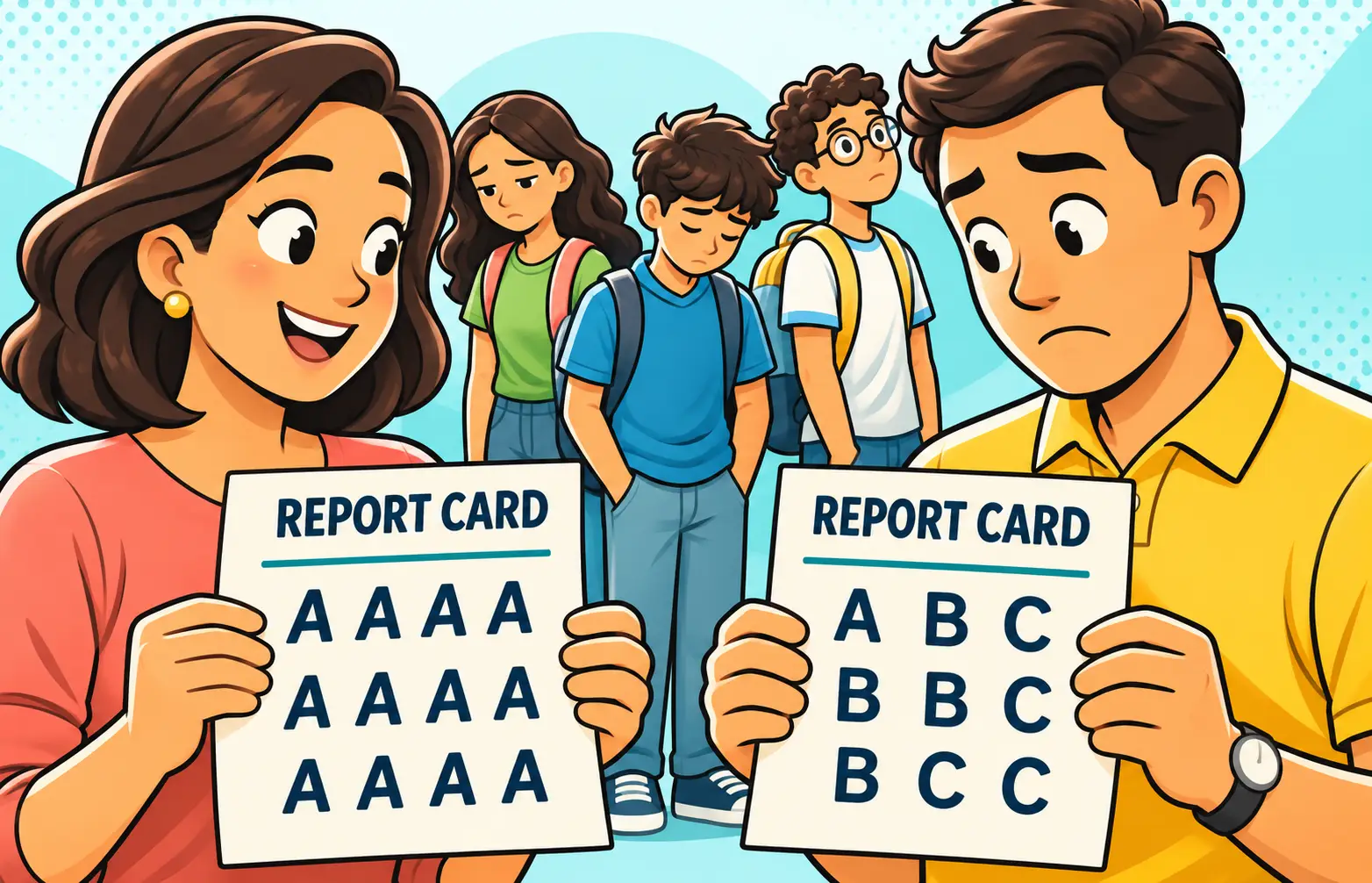
    Parents want the best for their children. They hope strong grades will open doors to future opportunities — prestigious colleges, scholarships, and meaningful careers. Sometimes, well-intentioned expectations turn into pressure, leaving students feeling anxious and disconnected from school.

    The effects of parental pressure on students’ academic performance are complex. While encouragement and support can motivate growth, excessive demands can lead to stress, burnout, and even lower achievement. 

    In this blog, we’ll explore the fine line between healthy involvement and harmful pressure, and how families can create an environment that fosters academic success.

    Understanding Parental Pressure

    Parental pressure isn’t always obvious. It can be as direct as strict grade requirements or as subtle as comparing children to high-achieving peers. 

    Common forms include:

    • Expecting straight A’s in every subject

    • Overloading students with extracurriculars to “boost resumes”

    • Minimizing effort or progress if results aren’t perfect

    • Conveying disappointment when academic goals aren’t met

    While ambition is important, pressure shifts the focus from growth and curiosity to fear of failure. For middle and high school students, this shift can have long-lasting consequences.

    Positive vs. Negative Academic Support

    It’s important to distinguish between support and pressure.

    • Positive support: Encouraging students to set personal goals, celebrating effort, providing resources like academic coaching, and showing empathy when challenges arise.

    • Negative pressure: Setting unrealistic expectations, tying self-worth to grades, or comparing students to others instead of recognizing individual strengths.

    The difference lies in whether the student feels empowered or burdened.

    Emotional Effects of Parental Pressure

    Anxiety and stress

    Constant pressure can cause performance anxiety. Students may study for longer hours. But with growing fear rather than motivation. Over time, stress levels can rise to the point of affecting sleep, focus, and overall mental health.

    Burnout and lack of motivation

    Ironically, high expectations may decrease motivation. When students feel success is never enough, they may disengage. Burnout often presents as procrastination, exhaustion, or even apathy toward schoolwork.

    Low self-esteem

    Students who internalize parental disappointment often tie their self-worth to academic results. This can create long-term issues with confidence, resilience, and decision-making.

    Academic Effects of Parental Pressure

    Short-term performance boosts

    Some students initially rise to pressure, pushing harder to meet expectations. Grades may improve in the short term, but the approach is often unsustainable.

    Decline in academic performance

    Over time, anxiety and fatigue undermine concentration and memory. Instead of excelling, pressured students may underperform — a direct example of the effects of parental pressure on students’ academic performance.

    Narrowed learning and creativity

    When students focus only on grades, they’re less likely to explore subjects out of curiosity or engage creatively. Learning becomes transactional, not transformational.

    Long-term consequences

    Excessive academic pressure doesn’t just affect grades. It can shape how students view themselves and learning for years to come.

    • Mental health: Studies show higher rates of depression and anxiety among students facing intense parental expectations.

    • Life skills: Students may struggle to develop independence, problem-solving, and resilience when their academic journey is externally controlled.

    • Future outlook: Instead of pursuing passions, students may choose careers that align with parental approval, instead of personal interest.

    Finding a healthy balance

    Parents play a significant role in shaping attitudes toward learning. Here are strategies to encourage success without creating harmful pressure.

    Celebrate effort, not just results

    Recognize persistence, improvement, and problem-solving. Praise effort as much as outcomes.

    Encourage autonomy

    Allow students to take ownership of their schedules, study habits, and goals. This builds independence and self-confidence.

    Provide supportive resources

    Instead of micromanaging, provide tools that make studying easier. Academic coaching, project management apps, and structured routines can help without increasing stress.

    Open communication

    Talk to students about their goals, interests, and things that stress them. Listening without judgment strengthens trust and reduces feelings of isolation.

    How schools and academic coaches can help

    Schools and academic coaches provide a valuable middle ground. Academic coaches emphasize executive function skills like organization, resilience, and communication. This takes pressure off parents while empowering students to succeed.

    At Swoon Learning, our Academic Coaches meet students where they are. We focus on personalized strategies that align with each learner’s strengths, not one-size-fits-all expectations.

     By balancing structure and compassion, we help students transform academic confidence and independence.

    Nurturing Growth Over Grades

    The effects of parental pressure on students’ academic performance show that while expectations can sometimes fuel achievement, excessive demands risk emotional harm and long-term disengagement. The healthiest approach combines encouragement with empathy and structure with flexibility.

    Parents don’t need to lower standards. But shifting focus from grades to growth can make all the difference. When students feel supported rather than pressured, they not only perform better academically but also develop resilience, curiosity, and a lifelong love of learning.

  • How To Study With ADHD: Strategies For Middle And High School Students

    How To Study With ADHD: Strategies For Middle And High School Students

    For middle and high school students with ADHD, studying can feel like running a marathon with shoelaces tied together. Procrastination, test anxiety, and constant distractions often get in the way; not because students aren’t capable, but because ADHD brains work differently. Memory, focus, and motivation can fluctuate, making it easy to fall behind even when students want to do well.

    That’s why strategies tailored to ADHD are so important. With the right tactics, studying doesn’t have to feel like an uphill battle. It can become manageable—even rewarding. 

    In this blog, we’ll explore how to study with ADHD, with practical tools students and parents can start using today.

    Why Studying with ADHD Feels So Hard

    ADHD isn’t about laziness or lack of intelligence. It’s about how the brain processes attention, motivation, and self-regulation. Understanding these hurdles is the first step to overcoming them.

    Executive function struggles

    ADHD impacts the brain’s “CEO” – executive functions. Planning, organizing, and remembering deadlines are harder, which makes studying feel overwhelming before it even begins.

    Emotional regulation and motivation

    Frustration builds quickly. A small mistake in homework can spiral into giving up. Motivation is inconsistent: students may hyper-focus on something they love but struggle to start assignments they find boring.

    Sensory overload and distractions

    A buzzing phone, a sibling’s footsteps, or even the sound of a pencil tapping can pull focus away. For hyperactive ADHD, sitting still at a desk for hours isn’t realistic. For inattentive ADHD, focus slips quietly without anyone noticing.

    Recognizing these patterns helps families and students create study strategies that work with ADHD brains instead of against them.

    How to Create an ADHD-Friendly Study Environment

    Environment is half the battle. A good study space can make it easier to stay on track.

    • Break work into chunks: Large assignments feel impossible when viewed as one giant task. Break them into bite-sized steps: outline, first paragraph, edit, and celebrate each milestone.

    • Use visual timers or alarms: ADHD brains often lose track of time. Tools like visual countdown timers, alarms, or even apps with study clocks can provide external cues. The Pomodoro technique (25 minutes of focus, 5 minutes of break) works especially well.

    • Create a distraction-free zone: Noise-canceling headphones, fidget objects, or curated study playlists can block out overstimulation. For students who need movement, consider a standing desk or pacing with flashcards.

    How to Study for a Test with ADHD

    Start several days before the test. Use practice exams, teach-back methods, and avoid all-nighters, which worsen memory and focus. Breaking review into shorter, consistent sessions builds confidence without overwhelming the brain.

    What if My ADHD Is Severe or Unmedicated?

    Some students wonder how to study with severe ADHD or how to study with unmedicated ADHD. While it’s undeniably harder, success is still possible with structure and compassion.

    Practical tools include:

    • Accountability check-ins (with parents or coaches)

    • Visual schedules and reminders

    • Environmental cues like laying out books the night before

    Executive function coaching is another resource, teaching students how to break tasks into steps and build sustainable habits without relying solely on medication.

    When ADHD Comes with Anxiety or Autism

    Many students have overlapping diagnoses, like ADHD with anxiety or ADHD with autism. These combinations bring unique challenges.

    • Anxiety and ADHD: Worry often causes “analysis paralysis.” Breaking tasks into the next step only (“open the notebook”) reduces overwhelm.

    • Autism and ADHD: Routine is key. A safe, predictable study space and emotional regulation tools like sensory breaks can make studying less stressful.

    No single strategy works for everyone. Personalization ensures students thrive on their own terms.

    How Swoon Learning Helps ADHD Students Succeed

    At Swoon Learning, we believe studying with ADHD shouldn’t feel like a losing battle. Our Academic Coaches work one-on-one with students, building personalized strategies for focus, organization, and resilience.

    Our software, Swoon Front Office®, provides students with a visual workboard and scheduling tools designed to reduce stress. Beyond academics, we emphasize life skills (teamwork, communication, problem-solving) that prepare students for success in and out of the classroom.

    Whether a student is navigating sports, extracurriculars, or learning differences, Swoon Learning meets them where they are: no pressure, just progress.

    Support Your Child’s Growth Without Taking Over

    Learning how to study with ADHD is a journey, not a quick fix. Every small step counts, and independence grows with practice. Parents don’t need to take over homework or studying. They just need to provide the right tools and encouragement.

    If your child is ready to try these strategies, today is the perfect day to begin. If you’re looking for extra guidance, Swoon Learning is here to help. Together, we can turn studying into an empowering process that builds confidence, resilience, and lifelong skills.

  • How To Help Kids With Homework: Effective Tips Without Doing It For Them

    How To Help Kids With Homework: Effective Tips Without Doing It For Them

    Helping your child with homework can feel like a daily balancing act. You want to see them succeed and avoid unnecessary frustration. But stepping in too much could keep them from developing independence. Many parents feel caught in this struggle, especially when kids resist, procrastinate, or constantly ask for help.

    This article finds that middle ground. We’ll explore strategies that provide kids the support they need while still letting them own their learning. This will help create habits, routines, and systems that build long-term skills rather than short-term fixes.

    Why Helping with Homework Is Tricky for Parents

    Most parents want to jump in when they see their child struggling. It’s an instinct — you don’t want to watch your child fail or feel stuck. But independence in learning is vital for academic and personal growth. If a parent takes over too often, a child can start to rely on external help instead of building problem-solving skills.

    This is where the tension comes in – finding the right balance between stepping in and stepping back.

    How to Help Kids with Homework Without Doing It for Them

    You shouldn’t remove yourself from your child’s homework process entirely. Create a structure where your child has the tools, space, and encouragement to succeed on their own. 

    Here’s how to do it.

    Set a Consistent Homework Routine

    Routines help signal to the brain that it’s time to focus. Try setting the same time and place for homework each day. It might be right after school with a snack, or later in the evening once sports are done. The key is consistency.

    Clear cues — like turning off the TV or putting phones in another room — can help reinforce that this is “focus time.” Over time, this structure reduces battles over when homework should get done.

    Create a Distraction-Free Workspace

    Where your child works matters. Your child should do their homework in a quiet, organized space that’s free from distractions like TVs or open chat apps. Let your child help design or personalize their space – something small, like choosing their desk lamp or supplies, can give them ownership.

    A dedicated spot signals that schoolwork is important and deserves focused attention.

    Offer Guidance, Not Answers

    It’s tempting to jump in with the right answer when your child is stuck. Instead, try asking guiding questions like:

    • “How might you start this problem?”

    • “What do you think the teacher wants you to focus on here?”

    • “Can you explain what you understand so far?”

    This approach gives them the opportunity to work through challenges and strengthens problem-solving. Offering hints or prompts keeps you supportive without taking over.

    Use Tools That Build Independence

    Simple tools can make a big difference in helping kids manage their work:

    • Visual planners and checklists to track tasks

    • Timers to break work into short, manageable sessions

    • Color-coded folders for organization

    These strategies can be helpful for students who struggle with executive function skills, including those with ADHD. For parents wondering how to do homework with ADHD, short, structured work periods with clear visual aids often work better than long, unstructured sessions.

    Give Feedback on Effort, Not Outcome

    Grades matter, but focusing only on results can make kids afraid to take risks. Instead, praise effort, persistence, and problem-solving. For example:

    • “I noticed you kept working on that even when it was tricky.”

    • “You tried two different approaches before finding one that worked — that’s great thinking.”

    This reinforces resilience and the idea that learning is a journey, not just a project.

    Should Parents Help with Homework at All?

    This is a common question: Should parents help with homework? The answer isn’t a simple yes or no. 

    Research suggests that when parents are overly involved, checking every assignment or fixing every mistake, students can feel less capable and confident. On the other hand, parents who provide encouragement, structure, and resources without micromanaging often help their children thrive.

    The best approach is somewhere in the middle: available for guidance, but not doing the work.

    Supporting Kids Who Struggle with Focus

    Some students find it harder to get started and stay focused, especially those with ADHD. For these children, strategies need to be even more intentional.

    Here are some effective homework help tips for students who struggle with attention:

    • Use short work intervals (15–20 minutes) followed by quick breaks

    • Try “body doubling,” where a parent, sibling, or coach quietly works nearby as an accountability partner

    • Keep materials organized and within reach to reduce distractions

    • Offer structured tools like timers or task boards to make progress visibly

    Parents who ask how to help a child who has ADHD focus on homework often discover that patience and consistent routines are just as important as the tools themselves.

    When Your Child Just Won’t Do Homework

    Every parent knows the frustration of motivating their child to do their homework. If your child digs in their heels, the best response is to stay calm. Power struggles make the problem worse. Instead, focus on encouraging ownership:

    • Let natural consequences (like needing to explain to a teacher) play out

    • Set clear expectations, but avoid nagging

    • Keep communication open so your child feels supported, not pressured

    If these struggles become a pattern, it might be time to look for outside support. Many parents ask how to get help with homework when their child consistently avoids it, and the answer often lies in finding structured, professional guidance.

    A Smarter Kind of Support

    Swoon Learning provides academic coaching designed to empower, not replace, your child’s efforts. Our coaches work with students, including student-athletes and neurodivergent learners, to build structure, resilience, and problem-solving skills.

    With tools like the Swoon Front Office platform, students gain access to:

    • Personalized workboards and scheduling to balance school and extracurriculars

    • Strategies for focus and organization, including ADHD-friendly tools

    • Academic coaching that emphasizes communication, teamwork, and resilience

    Support Your Child’s Growth Without Taking Over

    Helping with homework doesn’t mean sitting down to solve every problem. It means guiding, encouraging, and setting the stage for independence. With the right routines, tools, and mindset, your child can learn to manage their responsibilities with growing confidence.

    If you feel stuck in repeated battles or worry your child’s independence isn’t developing, outside support can make a difference. Swoon Learning offers academic coaching that helps students develop skills for school and life, giving parents peace of mind while empowering kids to succeed.

  • STEM Competitions For High School Students In The Bay Area

    STEM Competitions For High School Students In The Bay Area

    Bay Area high schoolers are surrounded by innovation. But how many get the chance to put their skills to the test in real-world environments?

    That’s exactly what STEM competitions for high school students in the Bay Area offer. Whether your teen is building a robot at a school club or conducting independent research, competitions offer structure, community, and opportunities that extend far beyond grades. 

    This blog explores why these competitions matter, highlights popular Bay Area events, and shows how parents can support their students in preparing, while pointing out where structured coaching can help. 

    Why Bay Area competitions?

    STEM competitions for high school students give learners a spark. Classroom lessons introduce concepts. Competitions make those concepts and creativity come alive. They require students to design, test, and rethink ideas. Bay Area events bring together teens from different schools who are passionate about robotics, engineering, or scientific research.

    Students get to work in teams, pitch solutions, and often present to experts from tech companies or universities. Even competitive stress helps build resilience—the kind of resilience that strengthens problem-solving skills. Many competitions offer awards, scholarships, mentorship, or networking opportunities.

    The Top Bay Area STEM Competitions for High School Students

    Parents in the San Francisco Bay Area have many local and regional science and technology competitions to explore:

    1. Golden Gate STEM Fair (formerly SF Bay Area Science Fair)

      Students from San Francisco, Marin, San Mateo, Napa, or Sonoma counties submit science research projects. Projects that place well can advance to statewide or national fairs like ISEF. Participation is free and offers special awards from organizations like NASA, Intel, and the American Chemical Society. 

    2. Contra Costa County Science & Engineering Fair
      Open to high schoolers in Contra Costa County, this fair feeds into the California Science and Engineering Fair. It often takes place in March and features science research across disciplines.

    3. Junior Science & Humanities Symposium (JSHS) — Northern California Region

      Hosted by San Francisco State University, this symposium invites students to present original research. Winners can earn scholarships and permission to compete nationally. 

    4. SLAC Regional Science Bowl (High School Division)

      A fast-paced, quiz-based competition at SLAC National Accelerator Lab in Menlo Park. Teams of students tackle science and math challenges in a game show format. 

    5. Stanford Science Olympiad Bay Area Teams

      Local high school teams compete in events hosted on the Stanford campus. The organization helps schools form teams over several years and trains students on science Olympiad topics. 

    Other options include community-driven events like the Bay Area Science Festival, PiE robotics tournaments, and hackathons for high school students. Organizations such as Berkeley Engineering and Bay Area Teen Science curate ongoing opportunities.

    How to Help Your Child Compete

    The phrase STEM competitions for high school students often creates pressure to choose the most prestigious option. Instead, start with interests. Does your teen enjoy coding? Robotics? Environmental science? Understanding their interests helps narrow competition.

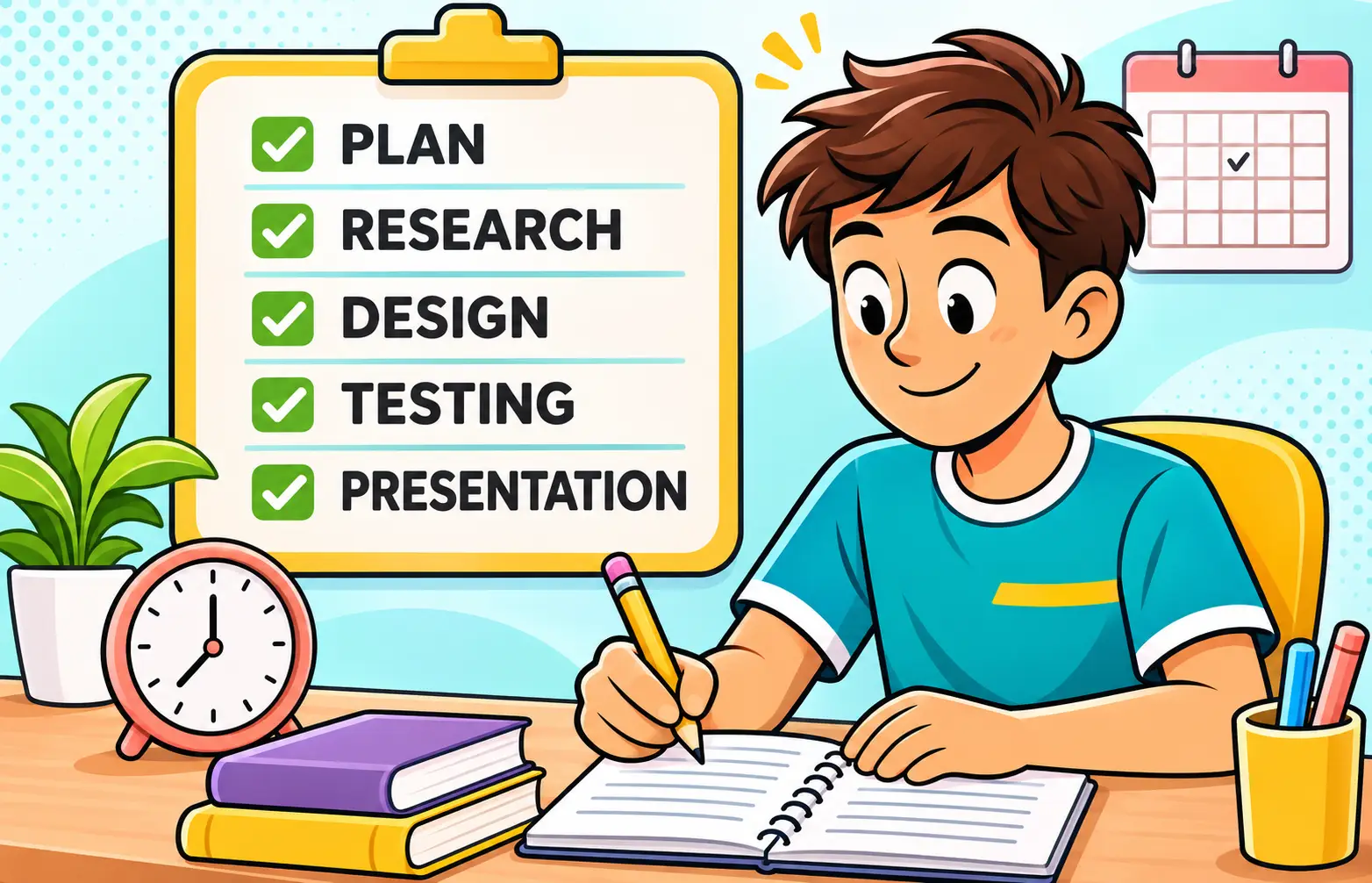
    Once a competition is selected, plan a timeline. Many require proposals or project outlines months before the judging day. Support your child in breaking their process into steps: research, design, testing, and presentation. That makes the workload feel manageable.

    It may help them to connect with teachers, extracurriculars, or mentors. Schools might already have teams for Robotics, Science Olympiad, or district-specific fairs. When help is available, your teen won’t feel like an outsider.

    Swoon Learning helps high school students manage long-term projects. Their academic coaches work with students on planning, accountability, and executive function skills through the proprietary Swoon Front Office® software—a kind of support ideal when navigating the demands of competitions.

    What Students Learn Along the Way

    Participation in STEM competitions for high school students provides benefits that extend far beyond the final round. Students develop critical thinking by designing a hypothesis, testing it under constraints, and iterating until it works. They learn to present their ideas, respond to questions, and work within a team or on a solo project.

    Bay Area competitions also expose students to communities and networks they might not encounter in school: local engineers, mentors from Stanford or UC Berkeley, and peers passionate about STEM. These connections can guide future academic or career paths.

    How to Prepare for Success

    Encourage your student to approach competitions with curiosity and a project mindset, instead of only focusing on winning. Help them break projects into weekly goals, design experiments, and develop a compelling presentation or board.

    Swoon Learning helps families whose teens are competing in competitions.

    Using Swoon Front Office®, Academic coaches can work with students to break down goals, track progress, and maintain a healthy routine that aligns with school schedules. This partnership ensures that stress stays manageable and progress stays steady.

    Prepare For Your Next Competition—And Long-Term Success

    STEM competitions for high school students in the Bay Area offer rich opportunities and they connect classroom learning to real-world applications. 

    If your teen is eager to push beyond traditional homework assignments, these competitions can open doors. With the right planning and support, your child can navigate the process with success.

    Want the right support? Work with an academic coach today. Start with Swoon Learning.

  • How To Help A Child With ADHD Focus In School: A Practical Guide For Bay Area Parents Of Middle Schoolers

    How To Help A Child With ADHD Focus In School: A Practical Guide For Bay Area Parents Of Middle Schoolers

    Middle school brings a new level of academic and emotional challenges. For children with ADHD, this transition can be difficult. The structure of elementary school, with one teacher and predictable routines, gives way to a faster-paced environment with multiple teachers, frequent transitions, and demands for independence.

    ADHD is not about lack of intelligence or effort. It is a neurodevelopmental condition that affects executive functioning skills like time management, impulse control, working memory, and task initiation. These are critical skills for success in middle school, where students are expected to juggle multiple assignments, follow long-term project timelines, and stay on top of increasingly complex academic demands.

    Understanding how to help a child with ADHD focus in school starts with supporting the way their brain processes and organizes information. Telling them to “try harder” usually backfires.

    1. Break large tasks into manageable steps

      Students with ADHD often struggle to see how to begin a task, especially if it involves multiple parts or different deadlines. A simple reading assignment might feel manageable, but a full essay or science project can be overwhelming. What seems like procrastination is often paralysis caused by uncertainty about where to begin.

      Help your child break down larger assignments into smaller, clear steps. Instead of saying “write your paper,” suggest “review your notes,” “write an opening sentence,” or “list three main points.” Visual checklists or shared calendars can support progress tracking without relying entirely on memory. The goal is to make assignments more concrete and less intimidating.

    2. Use tools and timing strategies that fit their attention span

      Many students, especially those with ADHD, have short attention windows. Expecting them to sit and work for long periods may lead to frustration. Try time-structuring methods like the Pomodoro Technique, which involves 25 minutes of focused work followed by a five-minute break.

      Timers, whiteboards, planners, and task-sorting apps can help students stay on task. Our academic coaches use our proprietary Swoon Front Office® which includes a Workboard (Kanban) to manage these methods for our students who get academic coaching.

      Headphones with ambient sound can help reduce distractions. A simple, clutter-free workspace also supports better focus.

    3. Reframe accountability as structure and support

      Students with ADHD often receive more corrections than encouragement. This can lead to resistance to schoolwork. Instead of repirmanding forgetfulness or disorganization, focus on building systems that make success more likely.

      A weekly planning session, even just 15 minutes on a Sunday evening, can help prepare for the week ahead. Look at what’s due, what materials are needed, and how to plan for assignments each day. Invite your child to lead the process with your support. This approach teaches planning and responsibility without pressure.

      Swoon Learning builds this kind of structure through academic coaching. Our coaches meet one-on-one with students to create weekly routines, organize study plans, and follow up on progress. Coaches serve as relatable guides who help students stay on track and develop habits that work for them.

    4. Stay connected with teachers and involve your child in the process

      Middle school students have multiple teachers with different expectations. Communicating regularly with educators can help parents understand what’s working and what’s not. You can ask about classroom accommodations and any tools the school recommends.

      Whenever possible, include your child in these conversations. Help them understand what’s being discussed and why. They’ll be more likely to feel engaged and respected. This builds self-advocacy and communication.

      Some students may benefit from accommodations such as extended test time, access to note-taking tools, or reminders for assignments. Check in periodically with teachers to see what support is in place and whether adjustments are needed.

    5. Introduce systems early that support long-term success

      Middle school is an ideal time to help students build practical habits for managing school demands. Skills like keeping a planner, estimating how long tasks will take, organizing materials, and reviewing weekly progress make a lasting impact.

      At Swoon Learning, our academic coaches focus on introducing these systems in a simple, consistent way. Students learn how to plan their week, ask for help when they need it, break projects into digestible steps, and stay accountable for their goals. These are habits that extend beyond school and support success in many areas of life.

    Support Your Neurodivergent Student in the Way That Works

    When exploring how to help a child with ADHD focus in school, it helps to start with a structure that matches the way your child thinks and works. Middle school can be a time of major change, and many students need more support to manage its challenges.

    You don’t have to do everything alone. 

    Swoon Learning helps middle and high school students with ADHD build personalized systems for focus, time management, and academic follow-through with it’s proprietary Swoon Front Office® software and subject/life skills academic coaching.

    With the right support, your child can find their rhythm and approach school with fewer struggles.

    Want to see how? Book a free academic coaching session with Swoon Learning today.

  • Understanding the ADHD Impact on Academic Performance—And How To Help

    Understanding the ADHD Impact on Academic Performance—And How To Help

    ADHD is often misunderstood. It’s not about a lack of intelligence or motivation. Many students with ADHD are bright, creative, and driven. But the way their brains process information, manage time, and regulate focus can make traditional learning environments feel like an uphill climb.

    If your child has been diagnosed with ADHD, or if you suspect they might have it, you’ve probably seen how school can become a consistent source of stress. Missed assignments, forgotten exams, difficulty sitting still, or procrastination aren’t signs of laziness. They might be signs that the systems put in place for your child aren’t working for their academic needs.

    Continue reading to learn how ADHD affects academic performance, what challenges typically show up in the classroom, and what kind of support helps kids with ADHD thrive, starting with a better understanding of what they’re navigating.

    How ADHD Impacts Academic Performance

    ADHD, or Attention-Deficit/Hyperactivity Disorder, affects the brain’s executive function system, which includes the mental skills we use to plan, organize, focus, read, and follow through.

    Here are some of the most common ways that can show up at school:

    1. Trouble starting and completing tasks

      ADHD brains often have trouble with activation. Even when students want to do an assignment, their brain may resist launching into action. On the other hand, once they start, they may struggle to finish due to distractions, fatigue, or boredom.

    2. Difficulty focusing and sustaining attention

      Students with ADHD don’t always struggle with focusing. Many hyperfocus on topics they love. The challenge is regulating attention: knowing when and how to shift focus, ignore distractions, and maintain engagement with tasks that don’t feel immediately rewarding.

    3. Forgetfulness and disorganization

      Losing track of homework, forgetting deadlines, and misplacing materials are classic signs. It’s not that students with ADHD don’t care. Their working memory and organizational systems just need more intentional support.

    4. Emotional dysregulation

      Academic frustration can easily spiral into shame, anxiety, or emotional outbursts. A student who feels “behind” may avoid schoolwork altogether or lash out when things feel overwhelming.

    5. Underperformance despite effort

      Many students with ADHD work twice as hard just to keep up. They may study for hours and still forget key details during a test. Or they may fully understand a topic but bomb the assignment because they missed part of the instructions. 

    6. Why School Support Often Falls Short

      Most schools are designed around compliance and structure: sit still, follow directions, complete worksheets, meet deadlines. For students with ADHD, this model can feel impossible.

    Strategies like “just try harder,” “stay organized,” or “you had a whole week to do this” miss the mark entirely. These kids want to succeed. What they need are tools and systems that work with their brain, not against it.

    What Helps Students With ADHD

    There’s no universal approach, but here’s what research and life experience tell us about supporting students with ADHD:

    1. Break big tasks into small, concrete steps.
      A blank page or vague assignment can feel paralyzing. Checklists, timelines, and clearly defined milestones make it easier to start and stay on track.

    2. Use external structures to support internal focus.
      Things like visual schedules, timers, planners, and digital reminders can offload the mental load and reduce stress.

    3. Incorporate movement and sensory tools.
      Standing desks, fidgets, and breaks between tasks can help regulate focus and reduce restlessness.

    4. Practice emotional regulation alongside academics.
      Learning how to pause, reset, and name emotions is just as important as learning algebra. When kids can manage overwhelm, they’re more likely to thrive.

    5. Celebrate effort and progress.
      Students diagnosed with ADHD need to see that their hard work counts, even if the outcome isn’t perfect. Recognizing small wins builds confidence and motivation.

    How Swoon Learning Helps Students With ADHD

    At Swoon Learning, our 1:1 academic coaching is specifically designed to support executive function challenges in a way that’s personal, flexible, and grounded in real-life tools.

    Here’s how we help:

    • Personalized plans
      We don’t do cookie-cutter solutions. Our coaches get to know each student’s learning style, goals, and daily routine to design effective learning strategies.

    • Executive function coaching
      From time management to task initiation, our sessions are designed to build the brain-based skills that ADHD learners often struggle with, without judgment or pressure.

    • Accountability with compassion
      We help students stay on track while building independence. It’s not about hand-holding. It’s about sustaining a great academic foundation so they can eventually fly solo.

    • Parent collaboration
      We keep families updated with progress updates, insights, and simple tips for supporting their child at home, because your role matters too.

    • Flexible, online support
      All academic coaching happens virtually, so students can meet in a familiar environment without the stress of travel or fixed school schedules.

    ADHD Doesn’t Mean Less Potential

    Students with ADHD need different tools and the right support to unlock their full potential.

    When we shift our focus from “what’s wrong” to “what works,” everything changes. Skills are built, and school stops being a battle and becomes a space of success and growth.

    If your child is struggling to keep up, stay motivated, or manage the demands of school, you don’t have to go through it alone.

    Book a free academic coaching session with Swoon Learning today and learn how our coaching can help your child thrive on their terms, in their time.

  • Student-Centered Learning Explained: How Child-Led Education Can Help Struggling Kids Thrive

    Student-Centered Learning Explained: How Child-Led Education Can Help Struggling Kids Thrive

    When school feels like a daily battle, it’s not always about the content. It’s frequently about the fit.

    Some students zone out. Others act out. Some start avoiding assignments, while others obsess over every detail and still feel like they’re falling short. These challenges often arise not because children can’t learn, but due to a complex interplay of factors, including mismatched pacing, lack of connection, or structures that don’t fully accommodate diverse learning styles. This article explores how to better systemize learning to support children when breakdowns occur, without minimizing the essential roles and accountability of parents, students, and educators.

    Student-centered learning is particularly beneficial for students with diverse learning styles, including highly creative individuals, hands-on learners, or those navigating learning differences such as neurodiversity or processing challenges.

    That’s where student-centered learning makes a real difference. This approach places your child’s interests, needs, and strengths at the core of the learning experience, and helps them regain a sense of purpose, progress, and possibility.

    If your child is feeling stuck, here’s why a more personalized, child-led approach could be the breakthrough they need.

    What Is Student-Centered Learning?

    Student-centered learning is a teaching philosophy that prioritizes the learner’s needs, interests, and strengths over a one-size-fits-all curriculum. Instead of a teacher delivering knowledge from the front of the room, the student is actively involved in the process.

    This doesn’t mean the teacher disappears. In fact, educators act more like guides, coaches, and facilitators – helping students set goals, explore topics, and reflect on their growth.

    Core elements of student-centered learning include:

    • Choice and autonomy: Students make decisions about what and how they learn.

    • Personalized instruction: Lessons adapt to different learning styles and paces.

    • Collaboration and connection: Students learn through dialogue, teamwork, and meaningful relationships.

    • Real-world relevance: Learning is tied to personal interests and real-life applications.

    Why Struggling Learners Respond to Child-Led Approaches

    For kids who don’t thrive in traditional settings, student-centered learning can be transformative. Here’s why:

    1. It builds motivation from within. When students get to pursue topics they care about, or approach lessons in ways that make sense to them, learning feels less like a chore and more like an opportunity.

    2. It reduces performance anxiety. Rigid deadlines and constant comparisons create pressure. Student-centered environments allow for flexibility, which helps anxious learners take risks and stay engaged.

    3. It accommodates different brains. Neurodivergent learners often need more movement, breaks, or unconventional strategies. A child-led approach honors those needs without pathologizing them.

    4. It strengthens executive function skills. By setting goals, managing time, and reflecting on outcomes, students naturally practice the very skills they might be struggling with.

    What Student-Centered Learning Looks Like in Action

    Every student-centered environment will look a little different, but here are a few examples:

    • A middle schooler chooses to study ancient civilizations through comic book creation, instead of a traditional essay.

    • An Academic Coach works with a high school student to design a weekly study plan based on their energy levels and extracurriculars.

    • A group of students co-create a science project focused on conservation of energy in their local community.

    • A learner with ADHD is allowed to use a standing desk, fidget tools, and voice-to-text software to complete assignments.

    In each case, the student has a voice. And that voice matters.

    Student-Centered Academic Coaching with Swoon Learning

    At Swoon Learning, we believe students thrive when they feel ownership of their learning. Our academic coaching model is grounded in student-centered principles:

    • We start by asking students what they want to improve.

    • We design custom strategies based on their learning style, schedule, and goals.

    • We don’t just help with homework, we teach life skills like time management, emotional regulation, and self-advocacy.

    Whether your child is in public school, private school, or homeschooling, our coaches work alongside them to build confidence, independence, and curiosity.

    How to Support a More Student-Centered Approach at Home

    You don’t have to overhaul your whole system to start embracing student-centered learning. Here are a few ways to support it at home:

    • Ask more questions than you answer: Invite your child to reflect, explore, and problem-solve—critical thinking is key!

    • Give choices when possible: From reading material to project formats, let them decide how they engage.

    • Celebrate process over perfection: Focus on growth, not just grades.

    • Model curiosity: Share what you’re learning and ask them what excites them.

    Even small shifts can have a big impact.

    Get Your Child the Support They Need

    If your child is shutting down, constantly frustrated, or not thriving in school, it may be time to try a different approach.

    Swoon Learning offers 1:1 academic coaching that puts your child at the center of their learning experience. We meet students where they are, and help them move forward with clarity, confidence, and skills that stick.

    Book a free academic coaching session today to see how we can help your child thrive with support that actually fits.

Get 30% off your first purchase

X