Author: Carla Bayot

  • Is Private School Worth It? What To Do When Your Child Falls Behind

    Is Private School Worth It? What To Do When Your Child Falls Behind

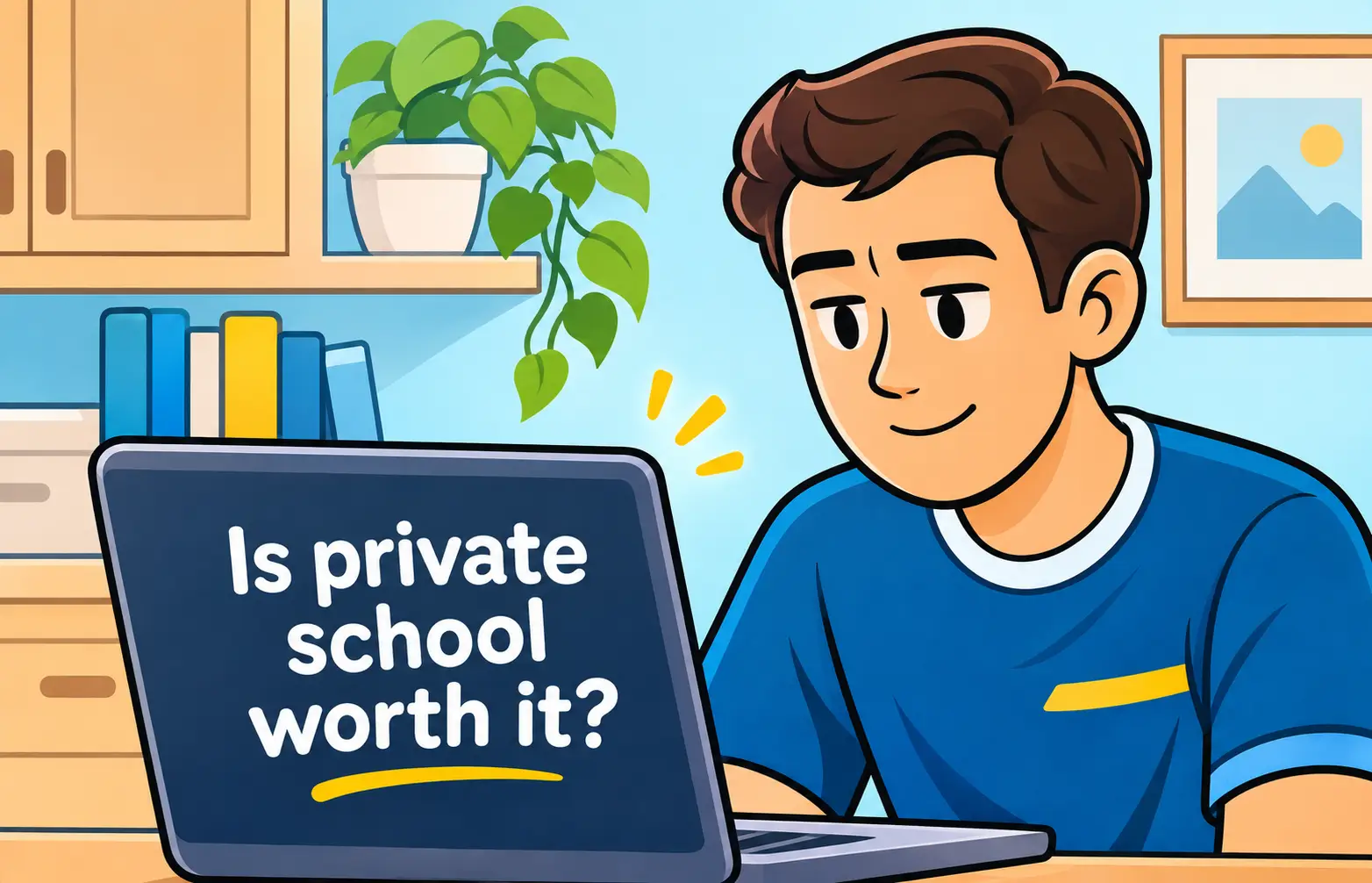
    High tuition, big hopes. Then, the sinking feeling. You enrolled your child in private school for the smaller classes, stronger academics, and the promise of a better future. But what happens when your child starts to struggle anyway? The grades drop, the confidence dips, and suddenly you’re asking yourself: Is private school worth it?

    The truth is, the answer depends less on the school’s prestige and more on your child’s unique needs. And when those needs go unmet, even the highest-rated private school can start to feel like the wrong fit.

    What Are You Actually Paying For in Private School?

    Families often invest in private education for its perceived advantages:

    • Smaller class sizes

    • Individualized attention

    • Academic rigor

    • A tight-knit community or values-based curriculum

    But there are tradeoffs. Private schools are not legally required to provide the same level of accommodations as public schools. Services like IEPs (Individualized Education Programs) or 504 plans are not guaranteed. For students with learning differences, ADHD, or executive function challenges, this can mean flying under the radar without adequate support.

    And then there’s the cost. With private school tuition ranging anywhere from $15,000 to $60,000+ per year, many parents begin to wonder: Is private school a waste of money if my child isn’t thriving?

    What Parents Often Discover When a Child Falls Behind

    Private school doesn’t always mean personalized learning. Even with smaller classes, students who need targeted executive function support or differentiated instruction may struggle, especially if the school heavily leans on academic pressure or competition.

    Students with ADHD, anxiety, or slower processing speeds may appear “fine” on the surface but experience deep internal stress. In many cases, these students begin to shut down, disengage, or lose confidence in their abilities.

    Meanwhile, many private institutions don’t have the resources, staffing, or training to respond in a meaningful way.

    Is Private School Worth It at Different Stages?

    Elementary School

    In early grades, social-emotional development and foundational learning are key. While a nurturing private elementary school can offer structure and stability, research shows that early academic advantages often level out by middle school, especially if learning differences go unaddressed.

    A private elementary school could be worth it depending on your child’s temperament, the school’s ability to individualize, and your family’s long-term goals.

    High School

    The stakes feel higher in high school, and for some students, private school offers valuable resources: smaller class sizes, college counseling, and a safe, focused environment.

    Private schools can shine in high school, only when they match the student’s needs. For many teens, especially student-athletes or neurodivergent learners, outside support, like academic coaching can make the difference between surviving and truly thriving.

    Alternative Paths to Academic Success

    Private school isn’t the only option. Many families explore:

    • Public school districts with strong academic programs or magnet tracks

    • Online/hybrid models that allow for more flexibility and customization

    • Academic coaching as an additional layer of support, tailored to your child’s needs, regardless of where they go to school

    Each path has its mix of cost, access, and impact. The key is finding a solution that supports the whole student.

    What To Do When Your Child Falls Behind

    You don’t have to make a big leap overnight. Start by:

    • Observing patterns: Is your child disengaging, avoiding homework, or frequently anxious?

    • Talking to teachers: Ask for specifics. What support is available? How is your child being monitored?

    • Seeking outside support: Academic coaching can help bridge the gap, offering tools to improve time management, focus, resilience, and confidence.

    Struggles in school are not a reflection of your parenting or your child’s potential. They’re a signal that something needs to shift.

    So… Is Private School Worth It?

    There’s no one-size-fits-all answer. For some students, private school is a lifeline—a place where they feel seen, supported, and inspired. For others, it’s simply not enough.

    And remember: even if you decide to stay in private school, outside academic support may still be essential.

    When You’re Ready for Personalized Help: Meet Swoon Learning

    At Swoon Learning, we specialize in academic coaching that meets students where they are.

    Whether your child is a student-athlete juggling practices and homework or a neurodivergent learner who needs help with organization and focus, our coaches offer practical, compassionate support.

    Through 1:1 and group sessions, proven learning strategies, and our proprietary tech platform, Swoon Front Office®, we help students manage time, track tasks, communicate effectively, and build lasting confidence.

    Swoon is inclusive by design. We value diversity, sustainability, and the power of personalized support. And we believe that every student deserves to succeed on their own terms.

    Book a free consultation today to see how Swoon can support your child’s learning journey, whether you stay in private school or not.

  • How To Motivate A Teen With ADHD When School Isn’t Their Top Priority

    How To Motivate A Teen With ADHD When School Isn’t Their Top Priority

    When your teen stops caring about school, it’s more than frustrating. It’s heartbreaking. You see their potential. You know how bright, curious, and capable they are. But every morning feels like a battle, and every report card feels like a setback. It’s easy to fear the worst: that your child is giving up.

    But here’s the truth many parents need to hear, especially when wondering how to motivate a teenager with ADHD: it’s not about laziness. ADHD affects motivation at the neurological level. What may appear to be apathy is often exhaustion. What seems like “not trying” is usually “can’t”, not “won’t”.

    However, there are research-backed, respectful ways to help your teen reconnect with their sense of purpose and their future.

    Understanding ADHD and Lack of Motivation

    ADHD affects the brain’s executive function skills, such as planning, initiating tasks, and regulating emotions. It also affects dopamine pathways, which means your teen might struggle to feel motivated, even for things they care about.

    This disconnect often leads to a harmful cycle: they fall behind, get overwhelmed, and avoid tasks that feel impossible. Then they’re met with judgment from others or themselves.

    What parents see as defiance is often paralysis. That distinction between can’t and won’t is critical. Reframing the conversation around ADHD and lack of motivation helps reduce shame and builds a foundation for empathy and change.

    Why School Isn’t Always the Priority for an ADHD Teen

    If your teenager with ADHD doesn’t care about school (or seems not to), it’s likely because traditional school systems weren’t built for the way their brain works.

    Many teens with ADHD experience:

    • Sensory overload from noisy classrooms or chaotic schedules

    • Boredom from repetitive or slow-paced instruction

    • Emotional burnout from masking their struggles and trying to meet expectations

    Underneath the surface, many are asking themselves, “What’s the point?” especially if school has become a source of failure or frustration. The more disconnected they feel, the less likely they are to engage.

    Motivation Starts with Connection, Not Control

    Although studies have shown that people with ADHD can benefit greatly from understanding consequences, motivation doesn’t necessarily grow from that. It stems from curiosity, autonomy within reason, and meaningful connection.

    Instead of lecturing or doubling down on discipline, try slowing down and tuning in:

    • Ask open-ended questions about what matters to them.

    • Focus on their strengths and interests, not just their shortcomings.

    • Replace “Why aren’t you trying harder?” with “How can I help you feel more confident and supported?”

    Along with understanding consequences, and by shifting from control to collaboration, you show your teen that you’re on their team, not another authority they have to defend against.

    Actionable Strategies to Rebuild Motivation

    Small wins can reignite a teen’s sense of capability. Here are proven, parent-tested strategies that respect how ADHD brains operate:

    • Use visual planning tools like whiteboards, sticky notes, or shared calendars to externalize tasks.

    • Break goals into micro-steps, then celebrate progress along the way.
      Try timers and body doubling (working alongside your teen) to help with task initiation.
      Offer value-based rewards, not bribes, but meaningful incentives tied to effort or growth.

    • Give structured choices (e.g., “Do you want to start with math or writing?”) to support autonomy.

    • Create a safe space to fail without lectures or shame—failure is where real learning happens.

    Support That Works

    Teens with ADHD often need more systems, not more reminders. Here’s how you can offer consistent support without becoming the nagging parent:

    • Externalize reminders through calendars, alarms, or sticky notes you create together.

    • Reframe progress. Success isn’t linear. A rough day doesn’t erase forward movement.

    • Practice compassionate detachment. Validate the struggle without making it your own.

    • Recognize your emotional labor. Parenting a neurodivergent teen takes resilience. You deserve support, too.

    When to Consider Outside Support

    Sometimes, motivation struggles aren’t just situational. They’re a signal that deeper support is needed. Consider seeking professional help when you notice:

    • Emotional shutdowns or withdrawals are becoming frequent

    • Refusal to go to school or worsening academic performance

    • Increasing conflict or disconnection in your relationship

    This isn’t a failure. It’s a step toward building the village your teen needs, and not all support is created equal.

    Unlike traditional tutoring, academic coaching focuses on executive functioning, emotional regulation, and long-term skills. It’s not about chasing perfect grades. It’s about helping your teen find their rhythm, confidence, and sense of direction.

    How Swoon Learning Helps Teens with ADHD Build Motivation and Independence

    At Swoon Learning, we specialize in helping teens, including those with ADHD, build sustainable motivation through personalized academic coaching.

    Our approach is grounded in empathy, structure, and skill-building. Through online sessions with trained coaches, your teen will learn:

    • How to manage priorities 

    • How to set realistic goals and follow through

    • How to regulate emotions, reduce overwhelm, and bounce back from setbacks

    • How to build independence through routines, time management, and planning

    If your teen is struggling and school feels like the last thing they care about, we’re here to show them—and you—that change is possible, and support is real.

    Ready to explore how academic coaching can help your teen thrive? Learn more about Swoon Learning today.

  • The Surprising Truth About “Mediocre” Students: It’s Not What You Think

    The Surprising Truth About “Mediocre” Students: It’s Not What You Think

    As a parent, my priority is to support my child’s success in school, nurture her interests, and encourage her to excel in sports. Despite our best efforts, she sometimes struggles, particularly in math. We even hired a tutor to help, but she occasionally comes home discouraged after a disappointing test score. It’s easy to assume she’s “mediocre” or “unmotivated,” but the truth is often more complex.

    The Hidden Struggles Behind Academic Challenges

    Since I started Swoon Learning, I’ve noticed a recurring pattern. Parents initially seek help with their child’s grades and homework. However, as we delve deeper, we often find that their busy schedules and extracurricular commitments contribute to their academic challenges. They simply struggle to find the time to balance their studies with their other obligations.

    When they first join us, almost all of my students secretly question their intelligence and ability to achieve good grades. They confide in me that they stay up late, study with friends, and watch YouTube videos but still feel dejected because they can’t seem to grasp the material and confidently say, “I get it!” But it’s not a lack of intelligence that’s holding them back. Instead, it’s the absence of essential organizational and structural skills that are crucial for academic success.

    How Swoon Learning Bridges the Gap Between School and Home

    Each of our Academic Coaches (tutors), including myself, goes beyond traditional tutoring. We equip students with the tools and strategies they need to become independent learners. We understand what’s at stake. We personalize our approach and sometimes over-communicate with parents to ensure follow-through at home. 

    I know that all parents try to instill these skills in their children. But sometimes, our guidance falls on deaf ears. Teenagers are often more receptive to their coaches, teachers, tutors, and mentors. At Swoon Learning, we bridge that gap.

    Michael’s Journey: Overcoming Academic Struggles with Skills and Balance

    Storytime!

    Michael, a sophomore with a 2.87 GPA, was struggling to improve his math grade, impacting his overall GPA. Despite having learning accommodations for his ADHD/ADD support from his parents and involvement in extracurriculars, he couldn’t seem to keep up with the class.

    After a few sessions, we realized that Michael wasn’t, as he put it, “mediocre” or lacking in intelligence. He hadn’t mastered the essential skills of organization, prioritization, and effective studying. He struggled to balance his commitments and didn’t know how to approach test preparation strategically. He also lacked the rest and stamina he needed to excel in sports.

    Our Academic Coaches worked one-on-one with Michael, teaching him how to:

    • Prioritize tasks: Identify what was most important and tackle those tasks first.

    • Manage his time: Create a schedule that balances schoolwork, extracurriculars, and personal time.

    • Develop effective study habits: Learn techniques for active recall, spaced repetition, and focused review.

    • Organize his materials: Implement systems to track assignments, deadlines, and notes.

    With consistent support and personalized guidance, Michael transformed into a confident and organized student. By the end of the year, his GPA had soared to 3.75! He not only improved his grades but also gained valuable life skills that will serve him well beyond high school.

    Michael’s story is a testament to the fact that many students struggle not because of a lack of ability but because they haven’t been equipped with the right tools and strategies. That’s where Swoon Learning comes in. We help students like Michael unlock their full potential and achieve the success they deserve without feeling overwhelmed.

    How Personalized Tutoring and Executive Function Skills Drive Success

    By combining personalized tutoring with executive function skills training, we empowered students like Michael to take control of their studies and achieve their full potential. Every student can succeed, and we’re committed to providing the support they need to thrive on and off the school grounds.

    If you’re concerned about your child’s academic performance, don’t assume they’re simply “mediocre,” like I did. Contact Swoon Learning today to learn how we can help your child develop the skills they need to succeed.

  • Leveraging Executive Function For Academic And Extracurricular Success

    Leveraging Executive Function For Academic And Extracurricular Success

    In this final blog post before our highly anticipated YouTube live presentation, “High School Roadmap: Designing a High School Curriculum for College Triumphs,” we delve into the critical role of executive functions in achieving academic and extracurricular success. Balancing coursework, extracurriculars, and personal commitments can be daunting for high school students. However, by harnessing executive function skills and following a well-structured high school roadmap, students can navigate their academic journey with confidence and purpose.

    In the complex landscape of high school life, balancing academics and extracurricular activities requires more than grit and determination. It demands strategic planning, organization, and effective prioritization, often referred to as executive functions in cognitive behavioral therapy.

    A High School Roadmap, developed by our CEO, Carla Bayot, is a personalized plan guiding students through their academic journey. By leveraging executive function skills and following a High School Roadmap, students can excel in both academics and extracurricular activities.

    Executive function skills are crucial as they enable students to manage tasks efficiently, make informed decisions, and achieve their goals. These skills, when paired with a High School Roadmap, provide a blueprint for success, outlining academic goals, extracurricular aspirations, and key milestones. This combination offers students clear direction and purpose, boosting their confidence and performance.

    • Strategic Planning: With strong executive function skills, students can plan their academic and extracurricular activities to align with their long-term goals, such as attending their college of choice.

    • Effective Time Management: These skills help students manage their time efficiently, allowing them to balance coursework, study sessions, and extracurricular commitments without feeling overwhelmed.

    • Goal Setting and Monitoring: Students use executive function skills to set SMART goals (Specific, Measurable, Achievable, Relevant, Time-bound) and monitor their progress. A high school roadmap acts as a visual reminder, keeping them focused and motivated.

    Cultivating Executive Function Skills with a High School Roadmap

    • Self-Reflection: Encourage students to reflect on their executive function skills and identify areas for improvement. The roadmap offers a framework for this, helping students assess their progress.

    • Strategic Support: Teachers, counselors, and parents can provide tailored support to help students enhance their executive function skills, meeting individual needs.

    • Consistent Monitoring and Adjustment: Regularly reviewing and updating the roadmap helps students stay on track toward their goals, reinforcing skills like flexibility, adaptability, and resilience.

    The Ultimate High School Success Combination

    The synergy between executive function skills and a High School Roadmap is vital for student success. Leveraging these tools enables students to navigate high school with confidence and purpose.

    As educators and parents, let’s empower students with the skills and resources they need to excel academically and personally. Together, we can chart a course toward a future filled with achievement and fulfillment.

    Join Carla live on our YouTube channel tomorrow at 4 PM PST to discover how a High School Roadmap can facilitate a successful transition from middle school to high school and beyond.

  • What Are Three Benefits Of Sports In Education?

    What Are Three Benefits Of Sports In Education?

    Education and sports are two crucial facets of a student’s life. Sports help in the development of physical and mental talents while education aids in the development of cognitive skills. Numerous advantages of sports in the classroom might aid pupils in their overall development. We’ll go over the three advantages of sports in schooling in this essay.

    1. Physical Health

      Physical fitness is one of the most important advantages of sports in schooling. Sports call for physical activity, which aids in enhancing pupils’ general health. Regular exercise and involvement in sports can help lower the risk of heart disease, obesity, and other health issues. Additionally, it helps to strengthen the immune system, which aids in illness prevention.

      Students’ academic achievement depends on being physically healthy, in addition to their general health. According to studies, students who play sports perform better academically than those who don’t. Exercise increases blood flow to the brain, which can aid with cognitive abilities including memory, concentration, and attention.

    2. Leadership and Teamwork Capabilities

      Teamwork and leadership qualities are also developed through sports in the classroom. Students who play team sports must cooperate to achieve a common objective. This promotes the growth of collaborative abilities like coordination, cooperation, and communication. Students gain the ability to collaborate with others, value their perspectives, and support the achievement of the team.

      Leadership abilities can also be developed through sports. Students who play sports develop their ability to take charge, make choices, and set an example for others. They get the ability to inspire and motivate others, which will be useful in their future employment.

    3. Character Formation

      The use of sports in the classroom also aids in the growth of virtues like self-control, tenacity, and resilience. Students get the ability to set objectives, work hard, and get beyond challenges. They learn how to deal with success and disappointment, which can aid in cultivating a positive outlook on life.

      Social skills can be developed through sports as well. Students gain social skills, an understanding of cultural diversity, and empathy. They acquire conflict resolution skills and a spirit of sportsmanship, which can be beneficial in both their personal and professional lives.

    In conclusion, the inclusion of sports in the classroom has several advantages that can support kids’ overall development. Some of the important advantages of sports in school are character development, teamwork and leadership skills, and physical health. As a result, schools should support student participation in sports by giving them access to the equipment and facilities they need.

    If you or your student-athlete is looking for academic tutoring, or Academic Coaching as we call it here at Swoon Learning, visit our Academic Coaching for Student-Athletes program page to learn more, or get started with a free discovery meeting, and be on the path to academic and athlete performance improvement.

Get 30% off your first purchase

X